Access to justice
Even after formally registering an application for international protection, effective access to justice remains elusive. Complex and fast‑moving admissibility and accelerated procedures, very short deadlines, the lack or suspension of state‑funded legal aid, the high cost of private representation and the expansion of detention and punitive migration laws all combine to make it extremely difficult for asylum seekers to obtain independent legal advice or to challenge unlawful decisions. Procedural rights such as the right to be heard, the right to an effective remedy and the right to a fair trial are routinely undermined in practice.
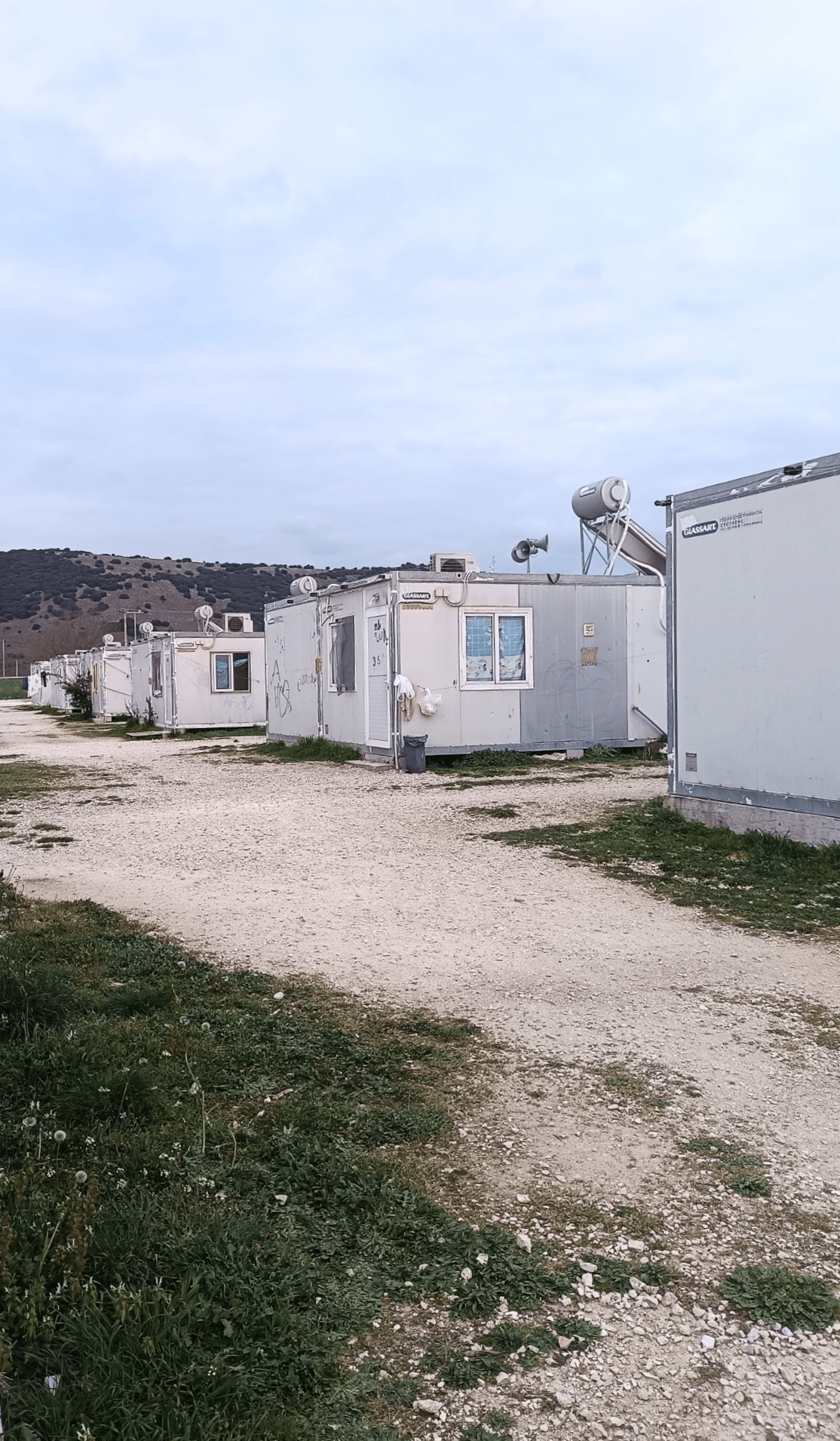
Katsikas refugee camp, 2026 © Second Tree
ELA’s action on access to justice is designed as the continuation of our work on access to asylum. We provide individual, case‑oriented legal assistance and representation throughout the procedure, from the first contact with the asylum authorities to administrative appeals and proceedings before the courts, in particular in Thessaloniki and Athens. Legal work includes explaining the applicable legal framework, preparing applicants for interviews and hearings, drafting and submitting procedural documents, and contesting ill‑founded or procedurally defective decisions within the applicable time limits.
At the same time, ELA uses its litigation and documentation work to address systemic obstacles to justice. Through selected strategic or impact cases, submissions to European and international bodies, and contributions to monitoring mechanisms, we seek to remedy structural violations that individual applicants cannot challenge alone. In this sense, our practice links individual representation with broader efforts to restore the effectiveness of legal safeguards in the Greek and European asylum systems. Access to justice also requires that displaced persons understand and can act upon their rights. ELA therefore treats communication and accountability as legal work: we systematically share contextually accurate information, encourage informed decision‑making, and collect and analyse data and feedback from our participants to adapt our services. By doing so, we contribute to building the capacity of applicants to participate actively in their own procedures and to assert their rights in a system that otherwise tends to render them invisible.
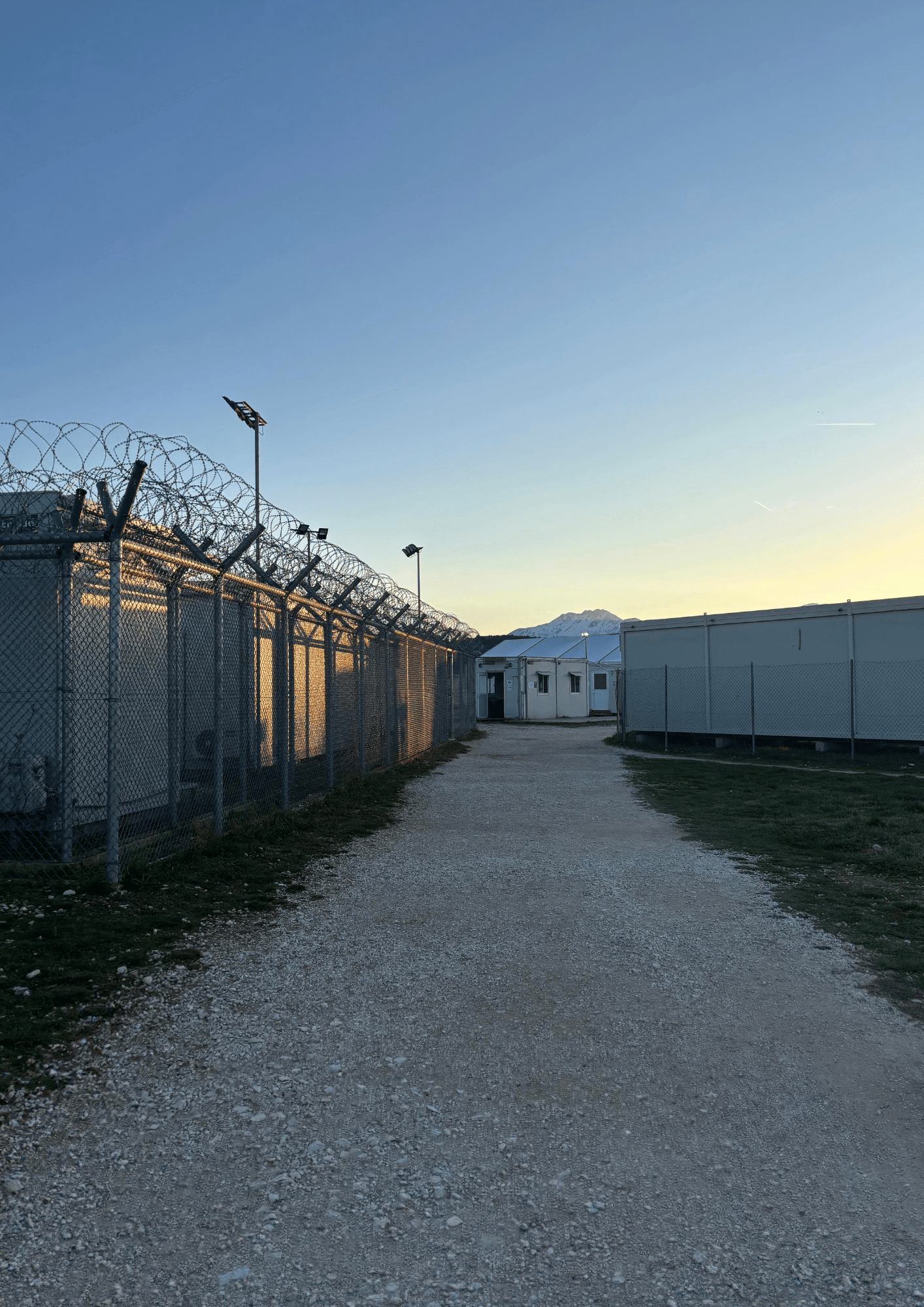
Katsikas refugee camp, 2026 © Second Tree