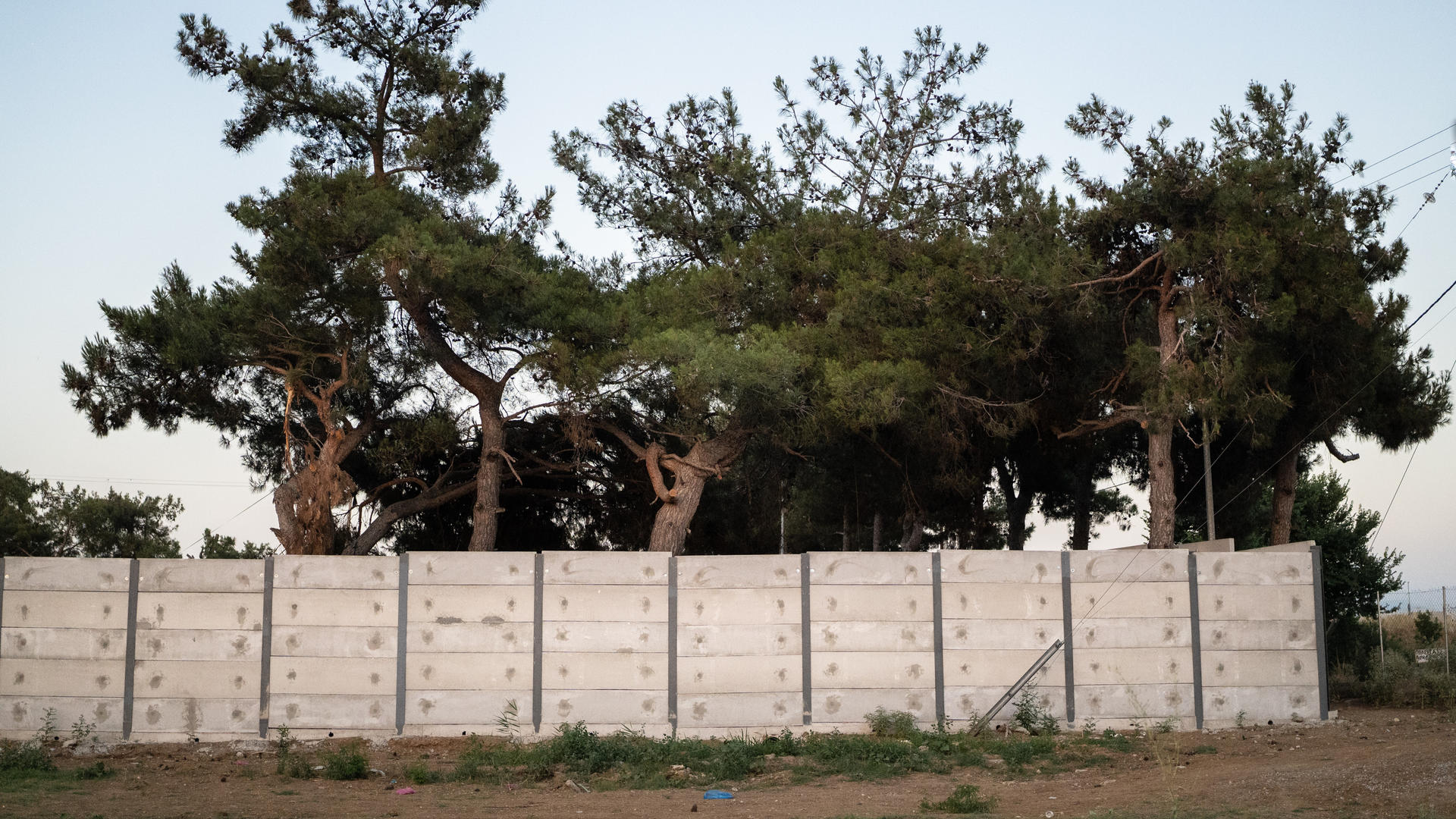
Diavata refugee camp © Régis Defurnaux, 2021
Equal Legal Aid
Supporting Access to Justice
Equal Legal Aid is a women-led non-profit founded in 2019, working to defend the right to asylum in Greece and Europe. Through free legal support, community outreach, and advocacy, the organisation helps displaced people—especially the most vulnerable—access their rights and navigate the asylum process, while also working to strengthen asylum protections at a systemic level.
Latest publication
Latest publications
Breaking the Continuum of Violence : Confronting Greece’s Failure to Protect Survivors of Gender-Based Violence
As the Ministry reconsider the JMD on free initial legal counseling, we demand: Legal guidance must serve rights, not deterrence
Contribution to Greek Asylum Case Law Report (Issue 1/2026)
latest decisions
ΑΔ198/2026
Date : May 27, 2026
Type of proceeding : Application for annulment
Asylum Procedure : First application, Admissibility
ΑΔ73/2026
Date : March 19, 2026
Type of proceeding : Application for annulment
Asylum Procedure : Subsequent asylum application, Admissibility
ΑΔ72/2026
Date : March 19, 2026
Type of proceeding : Application for annulment
Asylum Procedure : First application, Eligibility
Stories from Northern Greece
Zoe - The legal dilemma
In 2016, 16-year-old Zoe and her family applied for asylum in Greece. After two rejections, they appealed twice against the negative decisions. The hearing of their second appeal was postponed six times and is still pending today, eight years after their arrival. In the meantime, Zoe and her brother have integrated into Greek schools and have succeeded in continuing their education. But there’s still no decision in their case, and Zoe remains an asylum seeker in a precarious and uncertain situation, unable to make any plans for her future. Zoe faces a legal dilemma: Her asylum case is still pending after 8 years, and she’s now eligible for a residence permit. To apply for it, she’d have to abandon her asylum procedure, and she’d be prohibited to work for a year, hence losing her livelihood. Under these conditions, she’d be unable to continue her university studies.
Michael - Fighting against a retroactive law
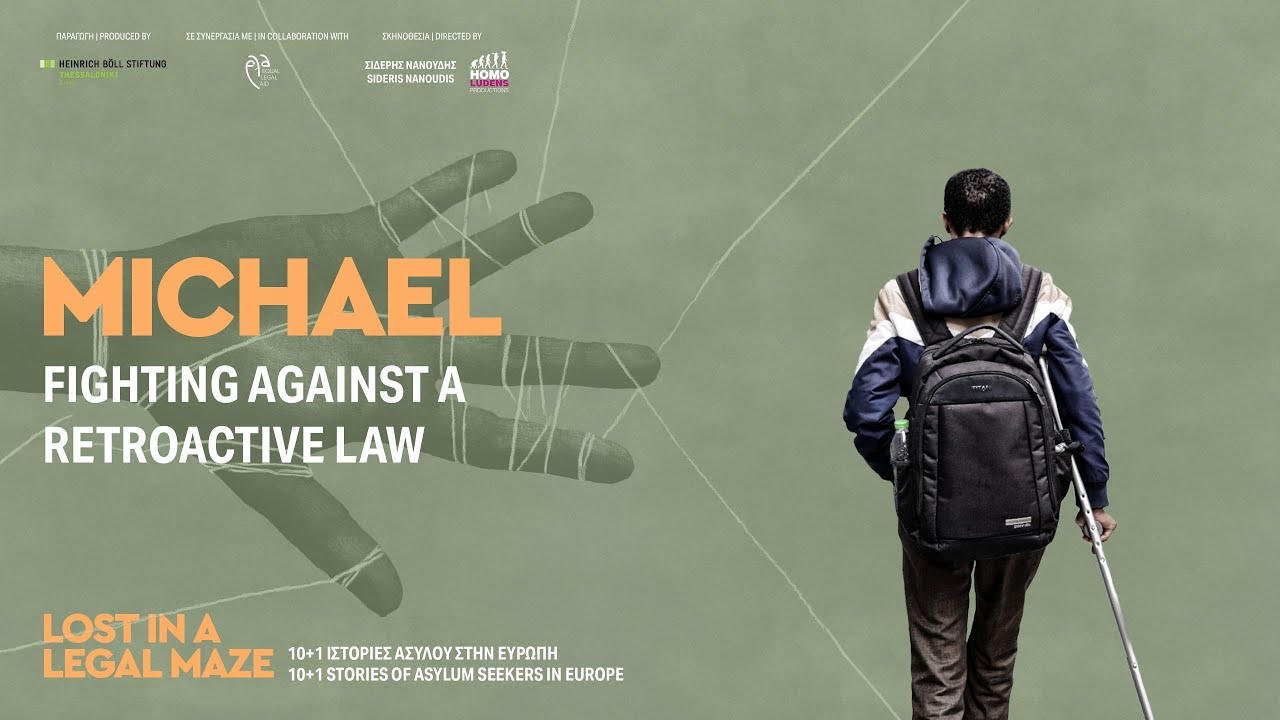
After spending 11 months in France during his asylum procedure, Michael, who has a serious health condition, decided to return very briefly to his country of origin to collect additional evidence of his persecution for his political activism. As a result, he lost access to his asylum procedure in France and had to smuggle himself into Greece. After his first rejection, Michael was unable to lodge an appeal as he was very ill and in hospital at the time. As he is eligible for a humanitarian residence permit, the asylum authorities referred his case to the Ministry of Migration. In fact, the law reserved the right to apply for it for foreigners who were particularly vulnerable or well integrated. Michael submitted his application in September 2020. In early 2021, the Greek government passed a law with retroactive effect, stating that applications submitted after May 2020 wouldn’t be examined by the authorities. Michael’s application was immediately rejected. This rejection violates an important principle in the justice system: It is forbidden to apply a new law to an event that occurred in the past, except if the retroactive application benefits the person. Michael has made an appeal against this unfair decision. Although the judge ruled in favour of Michael, the authorities have still not complied with the decision. Seven years after applying for asylum in Greece, Michael is still undocumented, homeless and struggling to get medical care. His legal battle is far from over.
Zakariya - Trapped in a legal loop
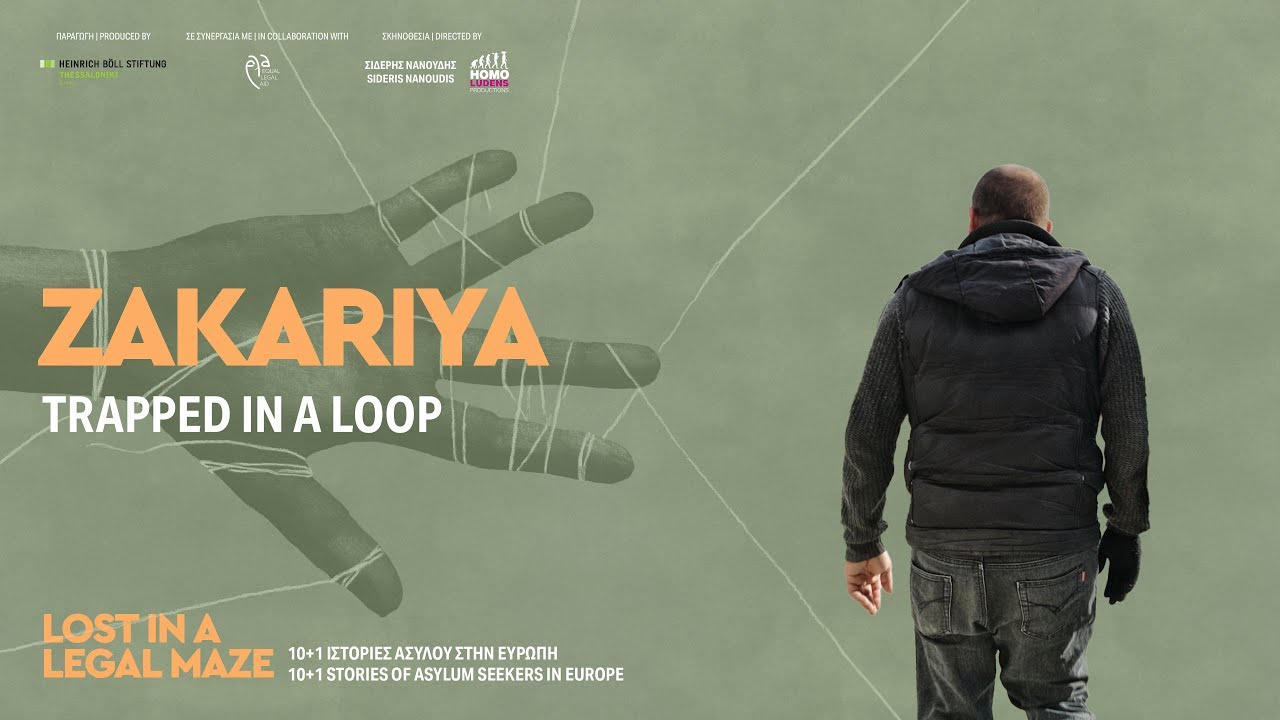
Zakariya’s case is a Kafkaesque one that has left his family in a situation of extreme vulnerability. Zakariya and his two children were granted refugee status in Belgium in 2015. In 2017, the family was the victim of a pushback while on holiday in Greece. Arrived in Turkey and deprived of all their documents, they have been disregarded by the Belgian consulate for two years. After resigning to smuggle themselves back to Greece in 2019, they found themselves in a new legal nightmare: Belgium refused to grant them a visa because they had lost their address in Belgium, and the Greek asylum service refused them access to the asylum procedure because they were already recognised refugees in Belgium. While living in a refugee camp, the family has no access to proper education or health care.
Layla - Disdained by the asylum authorities
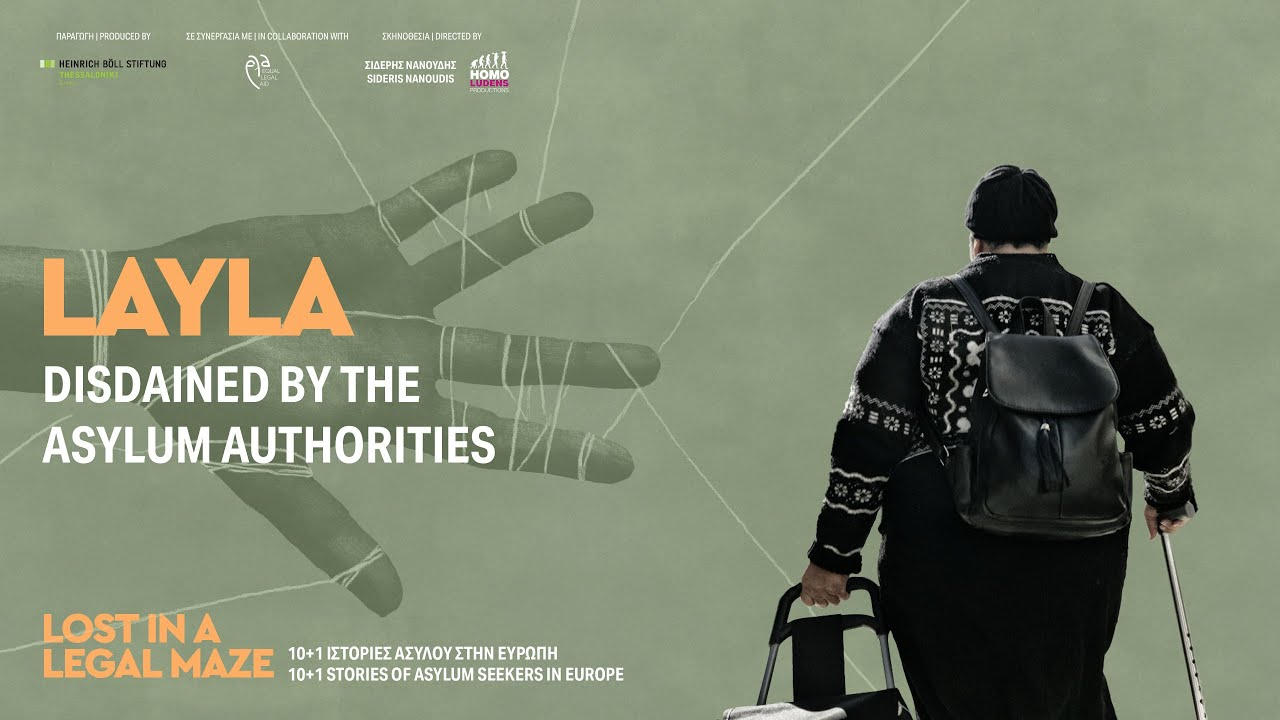
Layla arrived in Greece in her late 50s and, despite her vulnerability, had to wait many months before she was officially admitted to a refugee camp and started the asylum procedure. After two failed asylum applications, Layla applied a third time and revealed an important part of her story: that she had also been a victim of human trafficking in Turkey, a traumatic event she hadn’t been able to disclose before. Despite the evidence, she was rejected a third time and she complains of disdainful behaviour by asylum officials. At 65, Layla is determined to make a fresh start. Between volunteering at a women’s shelter, learning English and Greek, and enrolling in a sewing course, she is doing much to integrate in Greece. But after six years of struggle, she remains in legal limbo, while her mental and physical health deteriorates.
Reports
Asylum law | Reception conditions & social rights
Breaking the Continuum of Violence : Confronting Greece’s Failure to Protect Survivors of Gender-Based Violence
Survivors of gender-based violence in Greece are routinely denied international protection. Decision-makers often dismiss or minimise their experiences; impose evidentiary burdens that no survivor could reasonably meet; and ignore the impacts of trauma and displacement. These practices leave survivors without protection and trapped in vicious circles of fear and insecurity. Drawing on five years of casework (2020–2025), this report demonstrates that Greece’s asylum system consistently fails to meet its obligations under international, EU, and national law toward female applicants with gender-based violence claims. Survivors encounter degrading living conditions, superficial vulnerability assessments, inaccessible medical and psychosocial support, substandard interview procedures, and deeply flawed decision-making procedures. These systemic shortcomings result in unjust rejections and expose survivors to a continued cycle of violence. As Greece adopts increasingly restrictive migration policies and civil society capacity diminishes, the situation is deteriorating. ELA’s experience shows that when survivors receive specialised, gender-sensitive psychological and legal assistance, their chances of a fair assessment increase significantly. Ensuring effective access for victims of gender-based violence and abuse to the psychosocial and legal services to which they are entitled, alongside implementing substantive reforms in the examination of asylum claims, is imperative to guarantee fair procedures fully aligned with the applicable international protection framework.
Open letters and statements
Asylum law
As the Ministry reconsider the JMD on free initial legal counseling, we demand: Legal guidance must serve rights, not deterrence
The Greek government is introducing a new framework for initial legal counseling provided to asylum seekers. A recent Joint Ministerial Decision (JMD) assigns the task exclusively to a special registry of state-certified attorneys that is yet to be created. Registered lawyers will be entitled to a fee of 160 euros per counseling session, conducted individually or in groups of up to 15 applicants, or even up to 50 during mass arrivals or other exceptional circumstances. They will also receive a bonus of 250 euros if the asylum seeker chooses “voluntary” departure within 2 months after the counseling session upon the completion of the return.
Building upon the initial statement of the Coordinating Committee of the Plenary of the Presidents of the Greek Bar Associations (4 July 2026), we share the condemnation of the “voluntary return” financial bonus (Article 9(3)) and the Ministry’s surveillance of counselling sessions (Article 13(1)-(2)) as fundamentally incompatible with lawyers’ independence and legal professional privilege. The National Commission for Human Rights (NCHR) has likewise called for the withdrawal of Article 9(3), warning that it creates an incentive to influence the content of legal guidance and objectively undermines the independence and neutrality of the information provided.
The bonus paid to lawyers upon an applicant’s confirmed departure (Article 9(3)) is explicitly triggered for applicants pre-categorized as lacking a “strong refugee profile” based on nationality-linked recognition rates below 20% (Article 2(1)(d)), which structurally incentivizes lawyers to steer people on the move toward accepting return before any individualized assessment of their protection needs has taken place. The same provision compounds this pressure by requiring lawyers to warn these applicants of the severe criminal penalties for ‘illegal stay’ under Law 5226/2025 – a minimum two-year sentence, suspended only upon departure. Given that the alternative is imprisonment following rejection, consent obtained under these conditions amounts to coercion, rather than a “voluntary” decision, raising serious concerns under the non-refoulement principle.
The JMD repurposes legal counseling as an instrument of the state’s “prison or return” doctrine. The regulation explicitly excludes interview preparation, drafting of memos or documents, case-specific advice, and file access from the scope of the guidance session itself – and separately bars the same lawyer from later formally representing the applicant in the administrative or judicial examination of their claim. “Legal guidance” is structurally hollowed out of any substantive and individual content from the start. This inverts asylum lawyers’ role from independent advocates meant to safeguard the rights of people on the move against state violence into agents executing the EU’s and Greek state’s deterrence policies of criminalization and forced return.
The JMD is the latest in a series of authoritarian measures that have systematically narrowed, surveilled, and criminalized the space in which legal and humanitarian solidarity with people on the move can operate in Greece – most notably Law 5275/2026 (“Promotion of Legal Migration Policies”, 5 February 2026), which Human Rights Watch describes as a bill that “demonizes civil society”. The JMD should also be read alongside Minister Plevris’ announcement of “redefining” NGO’s role, ensuring they do not act as a “pull factor”.
Seen in this light, the JMD is part of a broader strategy that combines the repression of independent actors with the absorption of remaining professional space into state logics – criminalizing those who provide independent legal information while installing a state-controlled substitute designed to further obstruct effective legal support and serve the returns policy.
On 10 July 2026, the Coordinating Committee of the Plenary suspended its call for abstention, following the Minister’s public commitment to amend Articles 9(3) and 13(1)-(2) and a related circular issued by the Secretary General for Migration Policy on 9 July 2026. The Plenary has conditioned its continued participation on these provisions being properly amended before the process is completed, reserving the right to withdraw entirely if they are not.
We note that the underlying provisions remain unrepealed, and their amendment remains merely a commitment rather than a fact. We unequivocally condemn these provisions and call for their immediate repeal. The undersigning organizations recall that the Council of Bars and Law Societies of Europe (CCBE) has stressed the need to guarantee the full independence of lawyers in the field of migration and to prevent undue interference with their professional duties.
Legal guidance to people on the move must serve their rights, not the state’s deterrence policies. It must remain independent, confidential, and effective.
_____________
Signatories:
- I Have Rights
- Equal Legal Aid
- Samos Volunteers
- Avocats Sans Frontières France
- Collective Aid
- Human Rights Legal Project
- Changemakers Lab
- Community Peacemaker Teams - Aegean Migrant Solidarity
- InterEuropean Human Aid Association
- Mobile Info Team
- ECHO100PLUS
- EmpowerVan
- Refugee Legal Support (RLS)
- Centre for Gender Rights and Equality DIOTIMA
- Center for legal aid - Voice in Bulgaria
- Greek Forum of Migrants
- Border Violence Monitoring Network
- Legal Centre Lesvos
- Symbiosis
Case Law
Asylum law
Contribution to Greek Asylum Case Law Report (Issue 1/2026)
We have contributed to the new issue of the Asylum Case Law Bulletin, covering the 1st half of 2026, coordinated by RSA (Refugee Support Aegean), the Greek Council for Refugees, and HIAS Greece.
Issue 1/2026 presents excerpts from 59 decisions issued by administrative, civil, and criminal courts, Independent Appeals Committees, and the Asylum Service during the first half of 2026, covering topics such as the assessment of the admissibility and merits of asylum applications, the revocation of international protection status, the criminal treatment of refugees, and administrative detention.
Contributors
- Greek Council for Refugees (GCR)
- HIAS Greece
- Refugee Support Aegean (RSA)
- Equal Rights Beyond Borders
- Equal Legal Aid,
- Fenix Humanitarian Legal Aid,
- European Lawyers in Lesvos,
- Refugee Legal Support,
- Legal Centre Lesvos
- The HOME Project,
- lawyers of the Legal Aid Registry of the Asylum Service
Case Law
Asylum law
Jurisprudence collection, VOLUME II, 2023 - 2025
The collection comprises 103 decisions and procedural documents:
- 21 applications for annulment (Administrative Courts of Athens, Thessaloniki & Piraeus) including 16 granted
- 60 applications for provisional measures with 85% success rate (52/60)
- 9 Independent Appeals Committee decisions
- 2 ECtHR Rule 39 interim measures
- 11 Greek Ombudsman letters on access to administrative files and nationality verification
Key legal issues addressed include: - Safe Third Country / Safe Country of Origin: admissibility procedures under L. 4939/2022, including post-Council of State annulment of the Türkiye JMD and subsequent redesignation
- Arbitrary nationality determination: systematic misclassification of Eritrean nationals; Ombudsman interventions and judicial scrutiny of administrative practices at Lesvos CCAC
- Single-member Appeals Committees: unconstitutionality findings and implications for pending caseloads
- SGBV and LGBTQIA+ claims: credibility assessment standards, vulnerability identification failures, and evidentiary gaps in interview records
- Procedural irregularities: unlawful notification by email, right to a prior hearing, non-compliance with prior annulment decisions
- Subsequent applications: new and substantial evidence thresholds; non-refoulement considerations where readmission is de facto impossible
Decisions are indexed chronologically and thematically by keyword. An introductory analysis contextualises the case law within current procedural trends in the Greek asylum framework.
Case Law
Asylum law
ELA Case Referred to the CJEU: Access to Effective Legal Remedies in the asylum procedure
Open letters and statements
Reception conditions & social rights
Call for the immediate halt of Vastria CCAC
We are calling for the immediate halt of all plans to construct, open, or operate the Vastria Closed Controlled Access Centre (CCAC) on Lesvos. The development of this facility, within the framework of Law 5226/2025 and the EU Pact on Migration and Asylum, constitutes a direct threat to fundamental human rights.
Despite the heavy criticism, the Greek government approved yet another extension until March 2026 for the Vastria Camp to be completed. In a series of technical redesigns and legal amendments, the Ministry of Migration and Asylum (MoMA) has circumvented Council of State rulings and bypassed environmental regulation. In the latest developments, the Decentralised Administration of the Northern Aegean has approved a very problematic amendment of the environmental terms concerning related works of the CCAC, approving the construction of a photovoltaic plant and a battery storage facility, as well as the construction of the obligatory escape road, for the sole purpose of servicing the CCAC despite serious concerns about its location within a NATURA 2000 site.
The establishment of Vastria must be examined within the context of the EU Pact on Migration and Asylum and the proposed Return Regulation. Under the Migration Pact’s Screening Regulation, third-country nationals will be de facto detained in facilities like Vastria, raising serious concerns regarding the violation of their rights. The European Return Order (ERO) and the legal grounds for “return camps” outside EU territory will further normalise the use of pre-removal detention as a tool for forced deportation. The deprivation of liberty is expected to become systematic through expanded use of detention as a default practice rather than an exceptional measure.
At the same time, a recent Greek legislation (Law 5226/2025) expands the grounds for administrative detention (i.e. detention without criminal charges), criminalises “illegal stay”, and criminalises non-compliance with removal orders. The law also extends maximum administrative detention times from 18 to 24 months based on broad criteria like “security concerns”. Implementation of Law 5226/2025 has already begun, with individuals facing criminal proceedings for “illegal stay”.
Vastria CCAC has been explicitly designed to detain people on the move for extended periods of time, functioning in part as a pre-removal detention center, in accordance with the priorities of the EU Pact on Migration and Asylum. When Vastria CCAC opens, the arbitrary detention of asylum seekers is expected to increase, resulting in a higher number of individuals placed in pre-removal detention under conditions that may become increasingly coercive and precarious.
The operation of the existing CCACs has already proven to violate fundamental rights of the people detained, regarding the right to liberty (Article 5) and the prohibition of inhuman treatment (Article 3) under the ECHR. Documented conditions in other Greek facilities, such as Samos CCAC, highlight the risks of overcrowding, unhygienic environments, and insufficient medical care. Furthermore, legal institutions and human rights organisations have expressed serious concerns about the rights of families and children who are detained, as well as about the operation of Hyperion and Centaurus’ digital surveillance systems, which endanger the privacy rights of those detained or working in the centres.
The Vastria CCAC, which has been designed as the blueprint for these new generation camps of the EU Pact, raises even more concerns about its site location, since it is seated in the middle of the extremely flammable pine forest of Lesvos island. Experts have repeatedly raised alerts of this risk. In response, the MoMA has awarded a €585,680 contract for a fire detection system which, however, has a more reactive, rather than proactive, role.
Another issue worth highlighting is Vastria’s remote location, which isolates residents from legal aid, psychosocial services and direct interaction with local society. The difficulty of reaching the location, together with further access restrictions that are expected to be imposed, will also significantly limit the civic oversight of the operation of the Vastria CCAC.
We reject the establishment of any detention infrastructure or camp in which people will be incarcerated based on their legal status. The creation of such facilities institutionalise the deprivation of liberty, normalise discriminatory practices of segregation and unlawful detention practices, and undermine the fundamental rights of people on the move.
We refuse to accept the normalisation of these “closed” environments which serve only to penalize.
WE DEMAND:
– Ensure that all migration policies fully comply with the European Convention on Human Rights, particularly Article 5 (right to liberty) and Article 3 (prohibition of inhuman or degrading treatment)
– Immediately stop all construction activities of the Vastria camp and related works pending full legal and human rights review.
– Ensure all EU-funded infrastructure complies with fundamental rights obligations and is subject to independent monitoring.
– End the use of systematic and automatic detention of migrants and asylum seekers.
– Decriminalise “illegal stay” and ensure migration related administrative issues are not treated as criminal offenses.
– Accountability for the documented human rights breaches in the operating CCACs and Pre-Removal Centres.
SIGNATORIES
- Aegean Migrant Solidarity – Community Peacemakers Teams
- Collective Aid
- Legal Centre Lesvos
- Arab Lawyers Association (UK)
- Avocats Sans Frontières France (ASFF)
- Changemakers Lab
- Cyprus Democratic Lawyers Association (CDLA)
- de:border // migration justice collective
- Democratic Lawyers Association of Bangladesh
- Democratic Lawyers of Switzerland (DJS-JDS)
- EmpowerVan
- Equal Legal Aid
- European Association of Lawyers for Democracy & World Human Rights (ELDH)
- Europe Cares e.V.
- Fenix Humanitarian Legal Aid
- Greek Council for Refugees (GCR)
- HIAS Greece
- Human Rights Legal Project (HRLP) Samos
- I Have Rights (IHR) Samos
- InterEuropean Human Aid Association
- International Association of Democratic Lawyers (IADL)
- Mazí Housing
- Mobile Info Team
- Samos Volunteers
- Yoga and Sport With Refugees
Open letters and statements
Reception conditions & social rights | Vulnerable groups
Provision of cash assistance to asylum seekers in Greece must resume immediately
Asylum seekers in Greece have not received regular cash assistance payments since April 2024. The cash cards are used for the payment of the monthly allowances, to which asylum seekers are legally entitled. These continued delays have left people without a consistent income for almost 21 months, effectively denying asylum seekers their legal right to dignified living conditions. Although cash payments briefly resumed during the first months of 2025, their provision has been inconsistent, and since May 2025, no allowance has been provided at all. To date, there has been no communication from the Greek Ministry of Migration and Asylum on the cause of these interruptions, nor a clear update on when the cash assistance payments will resume.
The monthly allowance is intended to complement material reception conditions, such as housing and food and to support asylum seekers in meeting their basic needs. It is an obligation of the Greek state, enshrined in both EU and Greek law, and not a favour or a discretionary benefit.
The undersigned organisations work with asylum seekers accommodated in refugee camps across Greece. People have reported ongoing difficulties and distress over this nearly 2-year-long interruption in cash assistance. We are aware of numerous individuals and families, including people with vulnerabilities, who have reported severe and negative consequences due to the lack of cash assistance, severely impacting people’s ability to live with dignity. The lack of this minimal assistance makes it extremely difficult for people to meet their basic needs. Access to medical care is generally limited, and people are often unable to purchase essential medicines.
Since 2021, the allowance has been reduced by half on the grounds that food is provided in reception facilities through catering services. However, the food provided is often insufficient, of poor quality, culturally inappropriate, and most often fails to meet the needs of people with specific dietary requirements, including children, pregnant or lactating women and people living with diabetes.
In addition, asylum seekers are expected to cover the cost of personal hygiene items, as essential products such as soap, shampoo, sanitary pads, diapers, and similar items are consistently not provided. These are particularly basic necessities for women and children and are essential to ensuring dignified living conditions. Moreover, while cash assistance is not provided, there are no consistent alternative provisions in place to cover these basic needs through additional in-kind support within the reception facilities.
Most camps on both the Greek mainland and islands are in extremely remote locations, locations that are often far away from both essential services and NGOs providing social and legal support. The lack of cash assistance further exacerbates these challenges by removing people’s ability to pay for transport to access these services. In Samos, the Closed Control Access Centre (CCAC) is located 7km from the nearest town and costs 4 euro return on the bus. Without cash assistance, asylum seekers on Samos have reported regularly walking the 14km round trip to access service in Vathy. NGOs have consistently documented issues with the condition in the camp- including the lack of cooking facilities in areas for single individuals and longstanding concerns regarding both the standards and quality of food available in the CCAC. The absence of cash payments has exacerbated these pre-existing issues with the reception conditions in the Samos CCAC.
In Northern Greece, almost all reception camps are located in remote areas, requiring residents to rely on bus transportation to reach the nearest urban centres. Even in the Nea Kavala camp in Kilkis, the town of Polykastro, where basic services are available, is a 10 km round trip away. Other camps, such as Sindiki, are located approximately 40km from the city of Serres, a distance that is impossible to cover on foot, and 108km from the competent asylum office in Thessaloniki. Deprived of transportation and denied cash assistance even for basic travel needs, asylum seekers are left in conditions of despair and isolation.
The EU Asylum, Migration and Integration Fund (AMIF) continue to finance the cash assistance programme. The fund is intended to allow Greece to meet its legal obligations to provide material reception conditions to asylum seekers, which enable people to obtain a dignified standard of living.
While the situation has become particularly critical over the past twenty-one months, problems with cash assistance payments have been prevalent in Greece since 2021 when the government took over the responsibility of their provision. Over the past 5 years, this issue has been raised in multiple NGO Statements in October and November 2021, March 2022, September 2024 and March 2025, highlighting persistent and systematic failures in the administration of the cash assistance payments across Greece. Whether this situation results from mismanagement or constitutes a deliberate policy choice arising from an increasingly restrictive migration policy, one that seeks to punish and dehumanise asylum seekers in order to serve as a deterrent, the inevitable outcome is the same: asylum seekers are subjected to inhuman and degrading treatment. The last twenty-one months have seen a significant escalation of these ongoing issues, placing additional pressure on asylum seekers across Greece.
Demands to the Greek State:
– Immediately resume payments of cash assistance to asylum seekers.
– Ensure that applicants receive backdated payments for the months of May 2024 to January 2026, even in cases where they have in the meantime received international protection.
– Ensure that cash assistance payments are made immediately following registration of an asylum claim.
Demands to the European Commission:
Take action to ensure that EU funds disbursed for the purpose of cash assistance are properly managed by Greece, such that it meets its legal obligations, and people seeking international protection receive the support that they need to meet their basic human needs.
SIGNATORIES
- Avocats Sans Frontières France
- Boat Refugee Foundation
- Border Violence Monitoring Network
- Centre for Gender Rights and Equality – DIOTIMA
- Changemakers Lab
- Collective Aid
- Community Pope John 23 Greece
- CPT – Aegean Migrant Solidarity
- DCI Greece
- EmpowerVan
- Equal Legal Aid
- Equal Rights Beyond Borders
- European Lawyers in Lesvos (ELIL)
- Fenix Humanitarian Legal Aid
- Greek Council for Refugees (GCR)
- Greek Forum of Migrants
- HIAS Greece
- Human Rights Legal Project
- I Have Rights
- Inter Alia
- Intereuropean Human Aid Association
- International Rescue Committee (IRC) Hellas
- INTERSOS HELLAS
- Irida Women’s Center
- Jesuit Refugee Service (JRS) Greece
- Legal Centre Lesvos
- Mazí Housing
- Mobile Info Team
- Network for Children’s Rights
- Northern Lights Aid
- Project Armonia
- Refcheckpoint -Positive Voice
- Refugee Legal Support (RLS)
- Samos Volunteers
- Symbiosis
Open letters and statements
Detention & criminalisation | Borders & returns
No to EU law enabling home raids, policing of public services and racial profiling
The EU is currently negotiating a Deportation (“Return”) Regulation to expand and normalise immigration raids and surveillance measures across our communities. They want to oblige Member States to “detect” undocumented people – turning everyday spaces, public services, and community interactions into tools of ICE-style immigration enforcement. In the US, this has already led to a public health crisis where undocumented people avoid accessing basic medical care for fear of being reported or kidnapped.
In practice, detection measures proposed by the Commission could result in (and indeed some of them are already happening in various EU member states):
- Police raids in private homes, enabling authorities to enter living spaces to search for undocumented migrants – without a judicial mandate – as well as offices and shelters run by humanitarian organisations.
- Police raids in public spaces – such France’s deployment of 4 000 police agents in June 2025 to carry out sweeping checks across bus and train stations, with the aim to arrest and detain undocumented people, or Belgium’s introduction of internal border checks on highways, stations and airports.
- Surveillance and technology – such as the collection of people’s personal data in bulk and exchanged between police forces across the EU and the use of biometric identification systems to track people’s movements and increase policing of undocumented migrants and racialised people.
- Mandatory reporting obligations imposed on public authorities – such as those that have been imposed on the social welfare office in Germany since the 1990s, or those under discussion in Sweden.
- Racial profiling – Checks and controls based on appearance, language or perceived origin, rather than individual conduct, leading to discriminatory targeting of racialised communities, already a routine practice in Europe.
This threat is real and immediate. The European Commission’s proposal explicitly promotes detection measures and, in December last year1, Member States endorsed a position calling for even more harsh policies, including police raids on private homes to locate undocumented migrants.2 Moreover, most of the political groups in the European Parliament, from the liberals to the far right, have presented amendments that support the mandatory inclusion of detection measures.
Detection measures create fear, discrimination and persecution, and break social ties and communities. They deter people from accessing essential healthcare (including pregnancy-related care, chronic disease treatment and vaccinations), as well as education and social services; trap people in situations of violence, exploitation and abuse; erode trust between professionals and those they serve; enable racial profiling and systemic discrimination; and violate fundamental rights to privacy and data protection.
These risks have been raised at international level. On 26 January, 16 UN Special Rapporteurs, Independent Experts, and Working Groups, addressed a joint letter to the European Commission, the European Parliament, and the Council of the EU, warning that the proposed Deportation Regulation may impose reporting duties on professionals, discouraging access to essential services and undermining fundamental rights.
Embedding detection measures in binding EU legislation would fund, legitimise, expand and standardise them across Europe, and legitimise illegal practices like racial profiling. This would consolidate a punitive system, fuelled by far-right rhetoric and based on racialised suspicion, denunciation, detention and deportation. Rather than protecting fundamental rights, the EU is on course to codify an ideology of criminalisation that targets people simply because of their administrative situation.
Europe knows from its own history where systems of surveillance, scapegoating and control can lead.
We call on policymakers, public authorities, public service workers, civil society organisations and communities across Europe to reject detection in all its forms, and to mobilise against policies that criminalise people on the basis of their residence status and erode fundamental rights for all.
The European Commission, the European Parliament and the Council of the European Union must listen to these concerns and reject the Deportation Regulation.
SIGNATORIES
European networks/organisations:
- Access Now
- Border Violence Monitoring Network
- Bridge EU
- End FGM European Network
- Equinox Initiative for Racial Justice
- Eurochild
- European Disability Forum
- European Federation of National Organisations Working with the Homeless (FEANTSA)
- European Federation of Public Service Unions (EPSU)
- Europe Must Act
- European Network Against Racism (ENAR)
- European Network on Independent Living
- European Network on Statelessness (ENS)
- European Roma Grassroots Organisations (ERGO) Network
- European Sex Workers’ Rights Alliance (ESWA)
- ILGA-Europe
- International Planned Parenthood Federation – European Network (IPPF EN)
- Jesuit Refugee Service Europe
- Migreurop
- Missing Children Europe
- Médecins du Monde International Network
- Oxfam
- Platform for International Cooperation on Undocumented Migrants (PICUM)
- Quaker Council for European Affairs
- Statewatch
- Trans Europe and Central Asia (TGEU)
- Women Against Violence Europe (WAVE) Network
National organisations: - 11.11.11
- Africa Advocacy Foundation
- Algeciras Acoge
- AlgorithmWatch
- Apoyo Positivo
- ARCI
- Asociación Evangélica Nueva Vida
- Asociación Madrileña de Salud Pública (AMaSaP)
- Associació del Garraf per la República
- Association for Integration and Migration (SIMI)
- Association for Juridical Studies on Immigration (ASGI)
- Caritas diocesana di Pesaro
- Centro Sociale Ex Canapificio
- Cesida (National Coordinator of HIV and AIDS)
- CGT Ofpra
- Circuit asbl
- CIRÉ
- Civil Rights Defenders
- CNCD-11.11.11
- Col·lectiu Agudells
- Collective Aid
- Community Rights in Greece
- Consorzio Italiano di Solidarietà (ICS)
- Convenzione dei Diritti nel Mediterraneo
- Coordinamento Fiorentino contro il Riarmo
- Coordinamento Nazionale Comunità Accoglienti (CNCA)
- COSPE
- CSC Brussels
- Defence for Children International Czechia
- Defence for Children International Italy
- Défense des Enfants International Belgique
- Dynamo International
- Emmaus Italia ETS
- Europasilo – Rete Nazionale per il Diritto d’Asilo
- Federación SOS Racismo
- Finnish Refugee Advice Centre
- Fondazione Città Solidale ETS
- Forum Per Cambiare l’Ordine delle Cose
- Fucina per la Nonviolenza
- Fundación Cruz Blance
- Fundación Entreculturas
- Fundación de Solidaridad Amaranta
- Greek Council for Refugees (GCR)
- Gruppo Melitea
- Hermes Center
- Humanity On the Move Association
- Institute Novact for Nonviolence
- International Child Development Initiatives
- Irídia-Center for the defense of human rights
- Iuventa – Jugend rettet
- Jesuit Refugee Service Portugal
- KISA – Action for Equality, Support, Antiracism
- La Cimade
- Missing Voices (REER)
- Mission Lifeline International e.V.
- Mobile Info Team
- Movimiento de Mujeres Migrantes de Extremadura
- Mujeres Supervivientes
- M.V. Louise Michel
- No Name Kitchen
- Ocalenie Foundation
- Plataforma de Infancia
- Pilotes Volontaires
- Progetto Accoglienza e Integrazione Un sole per tutti
- Red Acoge
- Red de Mujeres Latinoamericanas y del Caribe
- Refugees in Libya
- Rete Vesuviana Solidale
- Right to Protection Charitable Foundation
- RiVolti ai Balcani – Diritti in Movimento
- Salvamento Marítimo Humanitario (SMH)
- Sea-Watch e.V
- Sharazade – Cultura e spettacolo senza frontiere
- SolidarityNow
- Solidary Wheels
- Stichting LOS
- Studio legale D’apruzzo
- The Swedish IMER Association
- Tunisian Forum for Economic and Social Rights FTDES
- Verlata SOC. COOP. SOCIALE A R.L.
- Vluchtelingenwerk Vlaanderen
- Watch the Med AlarmPhone
- WILPF Italia
- WISH (Women in Solidarity House)
Open letters and statements
Asylum law | Detention & criminalisation | Borders & returns
Joint Civil Society Statement on the Greek Migration Ministry bill
Working for an organisation registered in the “NGO Registry” of the Ministry of Migration and Asylum becomes a punishable offence with the proposed changes to Articles 24 and 25 of the Migration Code.
After five years of constant recommendations from the European Commission, the Council of Europe and the UN to put an end to arbitrary restrictions on the work of civil society organisations supporting refugees and migrants, the Ministry continues to target the organisations deemed inconvenient solely for carrying out their work.
The mere membership of an organisation registered in the NGO Registry elevates misdemeanours such as facilitation of illegal stay, or refusal to hand a travel document, to felonies punishable by up to ten years’ imprisonment and fines of tens of thousands of euros. It is thus considered an aggravating circumstance sufficient to reclassify the offence as a felony, in an affront to fundamental principles of criminal policy and legislation. Mere criminal prosecution suffices for removal of the organisation from the Registry.
These provisions are intended to intimidate civil society. They are introduced only a few months after the Minister of Migration and Asylum made threats against the legal representatives of people who arrived in Crete during the unlawful three-month asylum ban and were protected from deportation by interim measures of the European Court of Human Rights. These attacks were immediately condemned by international and national institutions, yet the competent Minister refuses to retract them.
For the undersigned organisations, this attempt is unjust, unlawful, and unreasonable. We call for the immediate withdrawal of these provisions.
SIGNATORIES
- ART HUB Athens
- Association of Greek Conscientious Objectors
- Association of Greek Small- and Medium CSOs
- Boat Refugee Foundation
- Centre Diotima
- Changemakers Lab
- Civil Society Alliance Greece
- Collective Aid
- Community Peacemaker Teams-Aegean Migrant Solidarity
- Doctors of the World – Greek Delegation
- ECHO100PLUS
- Emfasis Non-Profit
- EmpowerVan
- Equal Legal Aid (ELA)
- Equal Rights Beyond Borders
- FemArtAct
- Fenix Humanitarian Legal Aid
- Greek Council for Refugees (GCR)
- Greek Forum of Migrants
- Greek Forum of Refugees
- Greek Helsinki Monitor
- Greek Housing Network
- Hellenic League for Human Rights (HLHR)
- HIAS Greece
- HIGGS
- The HOME Project
- Human Rights Legal Project
- I Have Rights
- Ithaca Laundry
- Inter Alia
- Intereuropean Human Aid Association
- InterMediaKT
- INTERSOS HELLAS
- Irida Women’s Center
- iSea
- Legal Centre Lesvos
- Mazí Housing
- Médecins Sans Frontières Greece
- Melissa Network of Migrant Women in Greece
- Mobile Info Team
- Nimertis Action Art
- Northern Lights Aid
- PΕkAmeA
- Police Violence Observatory – Copwatch GR
- PRAKSIS
- Project Armonia
- Reading to the Others
- Refugee Support Aegean (RSA)
- Safe Passage International Greece
- Samos Volunteers
- SHE – Society for Help and Empowerment
- Symbiosis-Council of Europe School of Political Studies in Greece
- Symplexis
- Velos Youth
- VIOZO – Greek Union of Consumers
- Women’s Self Defence Group
- Vouliwatch
Case Law
Asylum law
Contribution to Greek Asylum Case Law Report (Issue 2/2025)
We have contributed to the new issue of the Asylum Case Law Bulletin, covering the 2nd half of 2026, coordinated by RSA (Refugee Support Aegean), the Greek Council for Refugees, and HIAS Greece.
Issue 2/2025 of the Greek Case Law Report compiles excerpts from 72 decisions by administrative, civil and criminal courts, the Independent Appeals Committees and the Asylum Service, issued mainly in the second half of 2025. These decisions cover topics such as assessment of credibility and of the merits of asylum applications, nationality determination of people seeking asylum, the criminal treatment of refugees, and immigration detention.
Contributors
- Greek Council for Refugees (GCR)
- HIAS Greece
- Refugee Support Aegean (RSA)
- Equal Rights Beyond Borders
- Equal Legal Aid,
- Fenix Humanitarian Legal Aid,
- European Lawyers in Lesvos,
- Refugee Legal Support,
- Legal Centre Lesvos
- The HOME Project,
- lawyers of the Legal Aid Registry of the Asylum Service
Articles
Asylum law | Vulnerable groups
Greece’s asylum system fails survivors of gender-based violence: How to break the continuum of violence
Survivors of gender-based violence in Greece are routinely denied international protection. As Greece tightens its migration policies, survivors will face prolonged detention and criminalisation instead of safety. Urgent civil society intervention and dedicated philanthropy are essential to ensure protection and dignity for those in need.
Around the world, women and girls flee persecution due to gender-based violence, ranging from forced marriages and female genital mutilation to domestic violence and trafficking. Yet, many get trapped in vicious cycles of violence, from perilous transit routes to life in refugee camps.
Greece is a key entry point to Europe for those seeking safety. With over 73,000 asylum applications lodged, 2024 has seen the second-highest rate of arrivals since 2016. One in four of these applications is submitted by women and girls. However, in most cases, stories of gender-based violence experienced in their home countries, during travel or upon arrival remain hidden deep within the intimate realm.
Even though Greece has signed the Istanbul Convention and recognises gender-based violence as a reason for asylum, the system still fails to protect survivors. Overcrowded camps and poor vulnerability assessments mean that authorities often ignore the needs of survivors, leaving them without safety or dignity.
Insights from civil society
In the absence of disaggregated data on rejection rates by gender and vulnerability, only insights from civil society can provide a clear picture of the situation on the ground. Since 2020, Equal Legal Aid (ELA), a non-profit organisation based in northern Greece, has supported 82 survivors of gender-based violence (GBV) with their asylum procedures. This experience has highlighted systemic flaws that lead to the unjust rejection of GBV-related claims. However, this work also demonstrates that survivor-centred, independent legal assistance can significantly improve outcomes, increasing the likelihood that claims will be considered fairly.
Systems that fail the most vulnerable
The asylum process for GBV survivors is marked by superficial vulnerability assessments, degrading living conditions, inadequate recovery services, limited legal aid and ill-founded rejections.
A recurring issue is the credibility and risk assessment. Many applicants are dismissed as ‘not credible’ with the reasoning that their experiences ‘do not appear to be lived’ or lack sufficient detail. Others are deemed credible, yet rejected because the violence occurred in the past or is framed as a ‘private matter,’ therefore not linked to a current risk. This approach reflects a profound ignorance of the gendered nature of persecution, and it contradicts three landmark rulings of the Court of Justice of the European Union in 2024, which affirmed that women facing gender-based violence, including forced marriage or lack of state protection against domestic abuse, can qualify for refugee status as members of a ‘particular social group.’
Systemic shortcomings are also at fault. For instance, the personal interview is intended to be the cornerstone of the asylum determination, enabling applicants to share their fears and reasons for seeking protection. Yet, most interviews are held remotely, without assessing whether this method is appropriate. Technical issues often occur, making it almost impossible to maintain privacy, compromising the ability to speak freely. Due to poor vulnerability assessments, survivors frequently lack medical or psychological documentation to submit. Additionally, they are often interviewed by caseworkers or interpreters of the opposite sex, making disclosure even harder, and they rarely ask follow-up questions or address inconsistencies with sensitivity.
Applicants from ‘safe countries of origin’ face an even greater challenge. They are subjected to accelerated procedures with shorter deadlines and fewer procedural guarantees, which often results in swift rejections. Furthermore, labelling a country as ‘safe’ from the outset can bias decision-makers—consciously or not—leading to a superficial examination. This is particularly detrimental for applicants who are survivors of GBV. The scale of this procedure should not be underestimated—of the 82 survivors represented by ELA, 12 are from ‘safe’ countries, including Albania, Gambia, Ghana, Morocco, Nepal, Pakistan, and Senegal.
Since 2021, Greece has also expanded the ‘safe third country’ concept. In practice, this means that applicants from Syria, Afghanistan, Pakistan, Bangladesh, and Somalia who entered Greece via Turkey must undergo an additional preliminary procedure: They must prove that Turkey was unsafe for them on an individual basis. Failure to do so may result in their return to Turkey, a prospect made especially concerning by Turkey’s withdrawal from the Istanbul Convention in March 2021. In 2022, Albania and North Macedonia were also declared safe third countries for all nationalities. This procedure has affected over 50 percent of all asylum applications submitted in Greece each year since 2022. Among the 82 survivors supported by ELA, 22 were subjected to it.
But the ordeal doesn’t stop there. In theory, rejected applicants can appeal against the decision, but the extremely high rate of second rejections (over 90 percent) means this process is ineffective. In most cases, the second decision is made without properly considering the legal arguments or conducting a new interview, even when the initial rejection cites insufficient evidence.
Following a second rejection, applicants lose their legal status and access to essential services. The only remaining option is a judicial review, which is an expensive and lengthy process that few can afford, due to the limited availability of free legal aid. Besides, courts cannot grant refugee status directly; they can only annul flawed decisions and send cases back to the second instance. Yet most successful annulments reveal serious systemic failings in decision-making and highlight the importance of legal assistance. Since 2020, ELA has submitted 23 such applications in support of GBV survivors. So far, only four decisions have been issued, three positive and one negative.
A gender-blind system
One survivor’s journey shows both the injustice of the system and the self-reliance required from survivors.
Twenty-seven-year-old M. arrived in Greece in 2019, fleeing forced marriage and the imminent threat of an honour killing. Although the authorities deemed her account credible, her claim was rejected as ‘unfounded,’ as authorities held that the violence she had suffered by her family was not severe enough to make her fear for her life ‘credible and likely.’ Her appeal was rejected with the very same reasoning. Refusing to give up, she filed an application for annulment. The court accepted her application, recognising that the previous decision lacked legal justification. Her case was referred back to the second instance, which finally granted her refugee status, five years after her arrival.
M’s story reflects the perseverance of countless women navigating a system that too often disbelieves and retraumatises those it should protect. To end this cycle, it is our duty to ensure guaranteed access to legal aid and gender-sensitive asylum procedures.
The roles of civil society and philanthropy
When governments step back, civil society and philanthropy play a decisive role in ensuring that those in need find protection, safety, and justice. Protecting the rights of displaced women is both a legal and moral responsibility.
Addressing the needs of asylum seekers in Greece has been a major struggle since the so-called ‘refugee crisis’ in 2016. Yet civil society in Greece continues to shrink as needs grow, due to funding cuts, new global policies, ongoing humanitarian crises, as well as rising xenophobic policies. Currently, in northern Greece, a region that hosts more than 10,000 asylum seekers, there are only five NGOs with a total of ten lawyers. At this turning point, it is essential for philanthropic investment to step in and support life-changing services that sustain a rights-based framework, holding governments accountable.
A full report on “Greece’s asylum system fails survivors of gender-based violence: How to break the continuum of violence” will be published on July 2026.
Open letters and statements
Asylum law | Borders & returns
Inhumane Deportation Rules Should be Rejected
On 11 March 2025, the European Commission presented a new proposal for a Return Regulation to replace the current Return Directive. Behind the euphemistic name, the proposal outlines coercive, traumatising, and rights-violating measures premised on an imperative of increasing deportation rates. Instead of focusing on protection, housing, healthcare and education, the Regulation is premised on punitive policies, detention centres, deportation and enforcement.
The “Deportation Regulation,” as it would be more aptly called, is part of a broader shift in EU migration policy to characterise human movement as a threat to justify derogations from fundamental rights guarantees. EU institutions and Member States have increasingly made criminalisation, surveillance, and discrimination the default tools of migration governance – as opposed to protection, safety, social inclusion measures, the expansion of safe and regular routes and rights based residence permits.
Our organisations are unequivocal: this Regulation must be rejected. It is driven by detention, deportation, externalisation, and punishment, particularly of racialised people, and will result in more people being pushed into legal limbo and dangerous conditions. We call on the European Commission to withdraw the proposal and urge the European Parliament and the Council of the European Union to reject it in its current form.
The Regulation must be rejected for the following reasons:
- DEPORTATIONS TO COUNTRIES WITH NO PRIOR TIES AND OFFSHORE DEPORTATION CENTRES (Arts. 4, 17)
This proposal – together with proposed changes to the Asylum Procedures Regulation – would make it possible, for the first time, to deport a person against their will to a non-EU country to which they have no personal connection, either through which they have only briefly transited, or in which they have never set foot.
Sending someone against their will to a country to which they have no link can in no way be considered reasonable, just, or sustainable. Such measures would tear apart families and communities across Europe, undermining the fabric of solidarity that people rely on to live with dignity. Expanding the options for “return” raises serious concerns about fundamental rights, including the risk of people being stranded in third countries, the safety and dignity of removal, the sustainability of inclusion and reintegration, and access to support, rights, and services. Such measures also apply to families and children, with limited exceptions.
The proposed Regulation also enables the establishment of so-called “return hubs”; highly likely to become prison-like detention centres hosting those awaiting deportations, outside of EU territory. This is an egregious departure from international law and human rights standards. These are likely to result in a range of rights violations, including automatic arbitrary detention, direct and indirect refoulement (in return hubs or through onward deportations), and denial of access to legal and procedural safeguards. At the same time, they would reinforce discriminatory practices as well as raising substantial challenges in monitoring human rights conditions and determining legal responsibility and jurisdiction. The current provisions in the Regulation are, moreover, alarmingly vague and set no binding standards, exacerbating these concerns. In line with past attempts to offshore or externalise asylum responsibilities, such as those by Australia, the UK, or Italy, such proposals are likely to be exorbitant in cost, carry significant diplomatic and reputational risks, and widen the gaps and divergences between EU countries’ asylum and migration policies. They would divert resources to punitive modes of migration governance instead of policies prioritising protection, care and safety.
- NEW OBLIGATIONS ON STATES TO ‘DETECT’ AND SURVEIL (Art. 6)
The proposal requires States to put in place measures to detect people staying irregularly in their territory. Over 80 organisations warned that similar provisions in the 2024 Screening Regulation would result in increased racial profiling and discriminatory treatment. Such provisions pave the way for the expansion of racist policing practices and immigration raids that foster fear in racialised and migrant communities. Moreover, detection measures tied to immigration enforcement create serious human rights risks, including those related to the right to health, labour rights, and human dignity, as fear of authorities discourages undocumented people from seeking healthcare, reporting abuse, or accessing protection. Such measures could raise ethical conflicts for professionals and undermine trust in public services. Finally, they risk threatening privacy rights through the unsafe sharing of sensitive personal data, including health data, breaching EU data protection standards and eroding the freedoms of society as a whole.
- MORE PEOPLE PUSHED INTO IRREGULARITY AND LEGAL LIMBO (Arts. 7, 14)
The proposal requires states to issue deportation orders alongside any decision ending regular stay, without prior consideration of other national-level status options (such as permits for humanitarian, best interests of the child, medical or family reasons, as well as during statelessness determination procedures or in other cases where deportation is not possible). Combined with similar rules in the Pact on Migration and Asylum that link negative asylum and deportation decisions, this would raise further barriers to accessing national residence permits. Alarmingly, it even foresees issuing deportation orders listing multiple potential countries of return when a country of return cannot be identified.
The proposal also weakens protections for those who cannot be deported – often through no fault of their own. Although it allows for postponement of “removal” in cases where there is a risk of refoulement, it removes the current requirement to identify and assess other individual circumstances, ignoring that in many cases “return” may not be appropriate or even possible, such as if a person is stateless, or for other human rights reasons.
This highlights the inconsistency of a proposal developed with the flawed objective of “increasing return rates”, but which at the same time artificially inflates the number of people issued a deportation order. As a result, many more people will be pushed into irregularity and legal limbo, denied basic rights like healthcare, and exposed to destitution, homelessness, exploitation, or prolonged detention. These policies do not only harm individuals: they destabilise and create further fear and insecurity, particularly for migrant and racialised people, as well as the wider communities they are part of.
- SEVERE EXPANSION OF DETENTION (Arts. 29-35)
The proposal promotes the systematic use of detention by states. It significantly extends the maximum length of detention, from 18 to 24 months. This extension is disproportionate and ineffective, and would only deepen harm to people’s rights, dignity and health. It also expands the grounds for detention, including criteria that, in effect, cover most people who have entered Europe irregularly or who are in an undocumented situation, against the principle of proportionality and necessity. For instance, a lack of documents or experiencing homelessness would be sufficient grounds for detention. The proposal allows for the detention of children, despite international human rights law and standards indicating that it is always a child rights violation and never in a child’s best interests, and global commitment by governments to work to end the practice. Other vulnerable groups, as well as people who cannot be deported, would also be subject to detention. The proposal appears to allow for indefinite detention of individuals deemed to pose “security risks”, by judicial decision. It also allows Member States to deviate from basic guarantees around detention if systems face a vaguely defined “unforeseen heavy burden.” The expansion of detention capacity will create lucrative opportunities for private contractors running detention centres, incentivising the growth of a detention industry at the expense of people’s rights and dignity.
The “alternatives to detention”, or non-custodial measures, as proposed by the Commission would not serve their purpose as genuine alternatives, and would not need to be considered before applying detention. Rather, they could now be used in addition to detention and after its time limits have been exceeded. Together, these developments amount to a significant expansion of immigration detention, whereby it would no longer even be treated as a measure of last resort or imposed for the shortest possible time, in clear tension with international law requirements.
- PUNITIVE AND COERCIVE MEASURES (Arts. 10, 12, 13, 16, 22, 29)
The proposal introduces extensive, disproportionate and unrealistic cooperation requirements on people issued a deportation order, such as having to provide identity documents they may not possess, having their bodies and belongings searched, or cooperating with third countries to obtain travel documents. These are coupled with punitive and heavy sanctions in cases of ‘non-compliance’, including financial penalties, entry bans, restrictions on voluntary departure, as well as refusal of benefits, allowances or work permits. With no effective way to challenge the determination that they are not cooperating sufficiently or to ensure that people are not penalised for circumstances beyond their control – such as statelessness, digital or literacy barriers, age, health or trauma – these measures risk being applied arbitrarily and disproportionately punishing people in vulnerable socio-economic situations.
The proposal introduces a further shift from “voluntary departure” to “removals”, making deportation the default option. Even though the notion of voluntariness in such circumstances remains questionable, the proposal restricts people’s options and agency further. It does so by introducing broad grounds on which forced “returns” would be mandatory and by removing even the current minimum period of seven days for voluntary departure, or compliance with a deportation order.
Specific derogations are foreseen for people who “pose a threat to public policy, to public security or to national security” – grounds that are vaguely defined and may be applied abusively. Any cases posing a security risk or concerning a criminal conviction should be dealt with in the context of criminal justice proceedings with the fair trial safeguards required.
- EROSION OF APPEAL RIGHTS (Art. 28)
In continuity with the erosion of these rights under the Pact, the proposal removes the automatic suspensive effect of appeals against the enforcement of a deportation decision. The suspensive effect will have to be requested together with the appeal, or granted ex-officio. This creates an additional layer of complexity for people at risk of being deported as well as judicial authorities, and removes an essential safeguard to the right to an effective remedy. With no mandatory minimum time for appeals (the proposal specifies only that the deadline shall not exceed 14 days), Member States could make it impossible for people to effectively challenge deportation orders in practice, against the established jurisprudence of European courts.
- EXPANDED DIGITAL SURVEILLANCE AND DATA PROTECTION VIOLATIONS (Arts. 6-9, 23, 38-41)
The proposal expands the digital surveillance of people in deportation procedures, denounced by digital rights experts and the European Data Protection Supervisor. This includes the broad collection and sharing of personal data, including sensitive health and criminal records, between EU Member States and with third countries which may be lacking adequate data protection. It also enables the use of intrusive surveillance technologies in detention centres, and the use of digital “alternatives to detention”, such as GPS tracking and mobile phone surveillance, which, while supposedly considered an alternative to detention, remain highly intrusive and can amount to de facto detention. Such technologies also create profitable new markets for surveillance companies.
The creation of a ‘European Return Order’, stored in the Schengen Information System (SIS), further conflates migration management and policing, with foreseen data sharing with law enforcement. There are documented patterns of data abuse and non-compliance with legal standards on privacy and protection of personal data by authorities under SIS, increasing the likelihood of data breaches and misuse.
- LACK OF IMPACT ASSESSMENT AND CONSULTATIONS
Like other recent legislative proposals on migration, this European Commission proposal was issued without a human rights impact assessment or formal consultations, including social partners, in an area in which evidence-based policymaking is especially crucial. This is contrary to the Interinstitutional Agreement on Better Law-Making and the Commission’s own Better Regulation Guidelines when a legislative proposal has significant social impacts and where a choice of policy options exists. A prior fundamental rights impact assessment is essential to ensure compliance with the Charter of Fundamental Rights, non-refoulement, the prohibition of torture and inhuman or degrading treatment or punishment, personal liberty, the rights of the child, effective remedy, private and family life, privacy and data protection, and non-discrimination.
- OVERLOOKING ALTERNATIVES TO PUNITIVE MIGRATION CONTROL
The proposal reflects a false assumption that deportation should be the only option for people whose asylum application has been rejected or whose residence permits have expired or been revoked. To reduce the number of people trapped in irregularity, EU states should uphold access to existing human-rights-related permits, and expand avenues to a broad range of residence permits that allow people to plan their lives, engage in regular work, study, and fully participate in all the economic, social, and cultural facets of the societies in which they live.
We call on the EU to stop catering to racist and xenophobic sentiments and corporate interests and reverse the punitive and discriminatory shift in its migration policy, and instead direct resources towards policies rooted in safety, protection and inclusion, that strengthen communities, uphold dignity, and ensure that all people can live safely regardless of status.
EU institutions and Member States should reject deportation measures that are based on a punitive and coercive approach, lower human rights standards, and disproportionately affect racialised people. In light of the concerns outlined above, we call on the European Commission to withdraw this proposal and urge the European Parliament and the Council of the European Union to reject this proposal.
SIGNATORIES
International
1. #DiasporaVote!
2. 11.11.11
3. Abolish Frontex
4. Acli – Associazioni cristiane lavoratori italiani
5. Academics for Peace-Germany
6. Access Now
7. ActionAid International
8. Africa Advocacy Foundation
9. AlgoRace
10. All Included
11. Alternatif Bilisim
12. Amnesty International
13. Apna Haq
14. ASAM Greece
15. Aspiration
16. Avocats Sans Frontières (ASF)
17. Border Violence Monitoring Network
18. borderline-europe – Menschenrechte ohne Grenzen e.V.
19. Bridge EU
20. Cairo Institute for Human Rights Studies (CIHRS)
21. CCFD-Terre Solidaire
22. Changemakers Lab
23. Civil Rights Defenders
24. Collective Aid
25. COFACE Families Europe
26. Correlation-European Harm Reduction Network
27. COSPE
28. CPT – Aegean Migrant Solidarity
29. de:border // migration justice collective
30. DeZIM, German Centre for Migration and Integration Research
31. EAPN European Anti-Poverty Network
32. ECCHR European Center for Constitutional and Human Rights
33. ELC – Eurocentralasian Lesbian Community
34. EmpowerVan
35. EPSU
36. Equinox Initiative for Racial Justice
37. EuroMed Rights
38. European Alternatives
39. European Movement
40. European Network Against Racism (ENAR)
41. European Network on Religion & Belief
42. European Network on Religion and Belief
43. European Network on Statelessness
44. Famiglie Accoglienti
45. FEANTSA
46. Fenix Humanitarian Legal Aid
47. Forum per Cambiare l’Ordine delle Cose
48. Global Alliance Against Traffic in Women (GAATW)
49. Global Asylum Seeker Human Rights Defenders Committee (GASHDC)
50. Hoffnung leben e.V.
51. Human Rights Watch
52. Humanity Diaspo
53. I Have Rights.
54. Inter Alia
55. InterEuropean Human Aid Association Germany e.V.
56. International Planned Parenthood Federation – European Network (IPPF EN)
57. International Women* Space e.V
58. iuventa
59. Kerk in Actie
60. La Strada International
61. Liga Española de la Educación y la Cultura Popular
62. Madera Creation
63. Médecins du Monde International Network
64. Médecins Sans Frontières
65. Mediterranea Bruxelles
66. Mediterranea Saving Humans
67. Migreurop
68. Migration Policy Group (MPG)
69. Missing Voices (REER)
70. Mission Lifeline International eV
71. Movimiento por la Paz (MPDL)
72. Mujeres Supervivientes
73. Mundo en Movimiento
74. Network Against Migrant Detention
75. New Horizons Project
76. New Women Connectors
77. No Name Kitchen
78. Northern Ireland Council for Racial Equality
79. Oxfam
80. Oxfam Italia
81. Platform for International Cooperation on Undocumented Migrants – PICUM
82. Protestantse Kerk Nederland
83. Quaker Council for European Affairs (QCEA)
84. Recosol
85. Rete delle Comunità Solidali (Re.co.sol.)
86. Roma Feminist Collective
87. Romnja Feminist Library
88. SCI Catalunya
89. Sea-Watch e.V.
90. Service Civil Internation Austria
91. Service Civil International
92. SOLIDAR
93. SOS Humanity
94. SOS Racism Denmark
95. Spectrum
96. Statewatch
97. Symbiosis-Council of Europe School of Political Studies in Greece
98. Syrian Justice and Accountability Centre
99. Transnational Institute
100. UNESCO Inclusive Policy Lab – People of African Descent & SDGs E-Team
101. Validity Foundation – Mental Disability Advocacy Centre
102. WeMove Europe
103. Women Against Violence Europe (WAVE) Network
104. Yoga and Sport with Refugees
National
105. Arbeitsgemeinschaft Migrationsrecht des Deutschen Anwaltvereins
106. Ariadni AMKE
107. ARSIS Association for the Social Support of Youth
108. ASGI
109. ASKV
110. Asociación Por Ti Mujer
111. Asociación Pro Derechos Humanos de Andalucía
112. Association for Integration and Migration (SIMI)
113. Associazione Arturo
114. Associazione Progetto Accoglienza
115. AWO Bundesverband
116. Ban Ying e.V. coordination and counseling center against trafficking in human beings
117. Boat Refugee Foundation
118. Brot für die Welt
119. CEAR – Comisión Española de Ayuda al Refugiado
120. Center for legal aid – Voice in Bulgaria
121. Centre Avec
122. Centre for Information Technology and Development (CITAD)
123. Centre for Labour Rights, CLR
124. Channel Monitoring Project
125. CIEs NO MADRID
126. CIRÉ
127. CNCA – Coordinamento Nazionale Comunità di Accoglienza
128. CNCD-11.11.11
129. Community Rights in Greece
130. Congolese Anti-Poverty Network
131. CONVIVE Fundación Cepaim
132. coop. soc. APE06 – AlterProjectEmpowerment2006
133. Coordinadora CIE No Cádiz
134. Coordinadora Obrim Fronteres
135. Council of Churches Amsterdam
136. Danes je nov dan, Inštitut za druga vprašanja
137. Diaconaal Centrum De Bakkerij
138. Diakonie Deutschland
139. DIKUNTU ODV
140. Diásporas Association
141. Dutch Council for Refugees
142. ECHO100PLUS
143. Equal Legal Aid
144. Europasilo
145. FairWork
146. Famiglie accoglienti Bologna e Torino
147. FEDERACIÓN ANDALUCIA ACOGE
148. Federación SOS Racismo
149. Feministas en Holanda
150. Finnish Refugee Advice Centre
151. Flüchtlingsrat NRW e.V.
152. Flüchtlingsrat Schleswig-Holstein e.V.
153. forRefugees
154. GAT – Grupo de Ativistas em Tratamentos
155. Greek Council for Refugees (GCR)
156. Greek Forum of Migrants
157. Greek Forum of Refugees
158. Greek Housing Network
159. Hermes Center
160. HOTM
161. Huize Agnes
162. Human Rights Initiatives
163. ICS (Italian Consortium of Solidarity)
164. IHA – Intereuropean Human Aid Association
165. INTERSOS HELLAS
166. Irídia – Centre per la Defensa dels Drets Humans
167. Italy Must Act
168. Jeannette Noëlhuis
169. Jesuit Refugee Service Belgium
170. Jesuit Refugee Service Greece
171. JRS Malta
172. KISA – Action for Equality, Support, Antiracism
173. KOK – German NGO Network against Trafficking in Human Beings
174. Kopanang Africa Against Xenophobia (KAAX)
175. La Cimade
176. LDH (Ligue des droits de l’Homme)
177. Legal Centre Lesvos
178. M.oV.I Caltanissetta
179. Meldpunt Vreemdelingendetentie
180. Migrant Rights Centre Ireland
181. Migrant Tales
182. Migrant Voice UK
183. Mobile Info Team
184. MOC
185. Move Coalition
186. Movimento Italiani Senza Cittadinanza
187. Naga Odv
188. Nazione Umana
189. Network for Children’s Rights (Greece)
190. NOF
191. Nomada Association
192. ONE PEOPLE
193. Pauluskerk Rotterdam
194. POUR LA SOLIDARITE
195. PRO ASYL, National Working Group for Refugees
196. Project Armonia
197. Racism and Technology Center
198. RADIO BULLETS APS
199. Red Acoge
200. RED AMINVI, SPAIN
201. RED ESPAÑOLA DE INMIGRACION Y AYUDA AL REFUGIADO
202. Red Interlavapies
203. RECIPROCA ODV
204. Refugee Council of Lower Saxony
205. Refugee Legal Support (RLS)
206. Refugees Platform In Egypt-RPE
207. Refugees Welcome Italia
208. Rotterdams Ongedocumenteerden Steunpunt
209. S.P.E.A.K (moslim woman collectif)
210. SAAMO Antwerpen
211. Salud por Derecho
212. SCI Switzerland
213. SNDVU Seguro
214. Siempre
215. SolidarityNow
216. Solidary Wheels
217. Stap Verder
218. Stem in de Stad
219. Steunpunt Ongedocumenteerden Pauluskerk
220. Stichting Jeannette Noëlhuis
221. Stichting LOS (NL)
222. Stichting ShivA
223. Stichting Vluchteling Kansen
224. Stichting Vluchtelingen in de Knel
225. STIL Utrecht
226. Stowarzyszenie Interwencji Prawnej (Association for Legal Intervention)
227. The Norwegian Centre Against Racism
228. Tierramatria mujeres migrantes y Refugiadas en Andalucía
229. Toevlucht Utrecht
230. Turun Valkonauha ry, Finland
231. URGG
232. Villa Vrede
233. Vluchteling Onder Dak
234. Vluchtelingenwerk Nederland
235. Waterford Integration Services, Ireland
236. Wereldhuis – World House (STEK)
237. Wereldvrouwenhuis Mariam van Nijmegen
Open letters and statements
Asylum law | Borders & returns
Urging the Greek Government to withdraw the new draft law on returns.
Greek below
On the 17th of July, the Greek Ministry of Migration and Asylum announced a draft law on the “Reform of the framework and procedures for the return of third-country nationals – Other provisions of the Ministry of Migration and Asylum”. The draft law will be voted on in the Hellenic Parliament in August, with a reduced composition of one-third of its members, raising concerns about the lack of democratic scrutiny. This is particularly concerning since Article 72, paragraph 1 of the Constitution, states that the exercise of individual rights must be discussed by the full composition of the Parliament.
This draft law substantially restricts and further circumvents a number of minimum conditions and guarantees of the Returns Directive (2008/115/EC) that are already inadequately addressed in the current Greek legislation, thereby exacerbating the existing shortcomings(1) and violating the principle of legality. The draft law invokes the guidelines of the proposal for a new Returns Regulation [COM(2025) 101 final] as the legal basis while this regulation does not constitute a binding text of secondary EU law. It only demonstrates the political intention of the Commission and it has not yet been adopted by the European Parliament and the Council in accordance with the legislative procedure (Articles 289-294 TFEU). Therefore, any attempt to transpose these ‘guidelines’ into national law circumvents Directive (2008/115/EC), and creates a contradictory regulatory environment that undermines legal certainty and EU law.
Moreover, the draft includes elements from the EU Pact on Migration and Asylum, which are still in the implementation phase and will become applicable only after transposition into national law by June 2026, further violating the principle of legal certainty.
In terms of substantive restrictive changes, the draft law criminalises and further reduces rights guarantees for undocumented people on the move. Of particular concern, the draft law:
- Reduces the period of voluntary departure. Until now the time limit has been between 7 and 25 days, and the draft law aims to reduce this period from 7 to a maximum of 14 days;
- Introduces electronic monitoring on people on the move during the period of voluntary departure to prevent the risk of absconding, raising significant privacy concerns.
- Aims to increase the maximum detention limit in pre-removal detention centres, from the current provision of 18 months to 24 months;
- In cases of the suspension of a removal order, the original provision obliges the individual to appear regularly before the authorities, deposit an appropriate financial guarantee and deposit documents or the obligation to stay in a certain place. With the new provision, an individual can be subjected to electronic monitoring and if they violate their obligations during this period of suspension, they shall be punished with 2 years imprisonment and a fine of 10,000 euros;
- Any effort by individuals who are in the list of “undesirable aliens” to re-enter the country will be punished with up to 3 years imprisonment and a fine of at least 10,000 euros. In this time the exercise of legal remedies for accused individuals will no longer have a suspensive effect. This is another restrictive move from the current provision of 3 months imprisonment and the option of suspension during legal recourse;
- Another change regards a historic legislative move to criminalise people that remain in Greek territory without legal documentation. Currently, third-country nationals who enter or exit the country irregularly face penalties of 3 months’ imprisonment and a €1,500 fine. However, the new draft law expands these penalties. It increases the prison sentence for irregular entry or exit and introduces new penalties for those who remain in the country without valid documentation. Entering, in combination with exiting or remaining in Greek territory will amount to a minimum sentence of two years’ imprisonment and a fine of at least €5,000.
- This sentence will be inconvertible and will not be suspended.The court can only order the suspension of the execution of the sentence, on the condition that the convicted person will voluntarily depart immediately from the country. Under the same condition, the execution of the remainder of the sentence, which has already begun, may be suspended by a decision of the court that imposed the sentence, following a request from the prosecutor or the convicted individual. The period of suspension begins from their departure from Greece.
- If this new provision passes, any undocumented person on the move in Greek territory will be under flagrante delicto procedure and imprisoned, with the only prospect of release being deportation. This is particularly concerning as thousands of people on the move who have lived and worked in Greece for many years but have lost their legal status due to various circumstances are at risk of imprisonment.
- The new draft law also abolishes the issuance of residence permits for exceptional reasons. People on the move who have stayed for seven years in Greece will no longer be able to access regularisation procedures and an application for international protection will be the exclusive ground for legal stay of people on the move in Greece. This also risks violating persons’ established family and private lives, including disrupting employment relationships, which may carry adverse consequences for employers and the labour market.
- The new draft law also proposes the use of artificial intelligence in the interpretation services for the asylum interview. When AI is used to record and automatically transcribe the interview, the preparation of a formal report and transcript will no longer be required. This is particularly concerning, as it disregards the importance of cultural mediation since trained interpreters play a crucial role in overcoming cultural and linguistic barriers and ensuring fair, accurate asylum procedures. Additionally, the use of AI interpretation services in handling sensitive personal data raises serious concerns about data protection and privacy.
- Finally, the draft aims to increase the legal fee to submit a second subsequent asylum application. The fee expands from 100 euro to 300 euro per application creating an additional financial barrier for people on the move.
The Court of Justice of the EU (CJEU) has underscored the Returns Directive’s exclusivity as the framework for removal, following the applicable administrative procedures, in several landmark rulings. It has ruled that member states cannot criminalize illegal stay prior to the completion of the procedures specified in the Directive. Through the provision of suspending the execution of the sentence only under the condition of ‘voluntary departure,’ the new draft law employs the criminal process as a means of pressure that circumvents the intended administrative escalation. In this context, departure will not be ‘voluntary’ as defined by the Directive, but rather stems from a coercive dilemma: ‘leave or face imprisonment.’ The shift towards crimmigration by the Greek government exposes people on the move to criminal proceedings which deny them the rights to administrative return procedures. Therefore, the new draft law does not aim to establish a common, fair, and effective return policy, but rather to facilitate the removal of undocumented individuals by any means.
This draft law does not represent a mere ‘reform’ of Directive 2008/115/EC; it amounts to a de facto annulment of the Directive and constitutes a clear contra legem legislative initiative, diverging significantly from both the letter and the spirit of EU and international law. Marked by a disproportionate criminalization of matters that are administrative in nature, it undermines fundamental rights and the principles of the rule of law.
The undersigned organisations urge Greek Members of Parliament to raise the concerns outlined above in the Greek Parliament and to exert pressure on the Greek government to withdraw the proposed draft law. This law introduces significant restrictions on fundamental rights, criminalises undocumented people on the move, seeks to increase returns without guarantees and does not include any provision for integration and regularization of status of people on the move.
Signatories
- I Have Rights.
- Fenix Humanitarian Legal Aid
- Refugee Legal Support (RLS)
- Human Rights Legal Project
- Equal Legal Aid (ELA)
- Mobile Info Team
- Avocats Sans Frontières France
- European Commission, Report of the 2024 Revisit of Greece related to the serious deficiencies identified in 2021 in the field of return, C(2025) 4342, 3 July 2025, Annex, 1-2.
Κοινή Δήλωση: Έκκληση προς την Ελληνική Κυβέρνηση για απόσυρση του Σχεδίου Νόμου σχετικά με τις Επιστροφές
Στις 17 Ιουλίου, το Υπουργείο Μετανάστευσης και Ασύλου ανακοίνωσε το νομοσχέδιο με τίτλο: «Μεταρρύθμιση του πλαισίου και των διαδικασιών επιστροφής υπηκόων τρίτων χωρών – Λοιπές διατάξεις του Υπουργείου Μετανάστευσης και Ασύλου». Το σχέδιο νόμου πρόκειται να τεθεί σε ψηφοφορία στη Βουλή των Ελλήνων τον Αύγουστο, με μειωμένη σύνθεση του ενός τρίτου των μελών της (θερινό τμήμα), γεγονός που εγείρει σοβαρές ανησυχίες για την έλλειψη δημοκρατικού ελέγχου. Αυτό είναι ιδιαίτερα ανησυχητικό, καθώς το άρθρο 72, παράγραφος 1 του Συντάγματος ορίζει ότι νομοσχέδια και προτάσεις εκτελεστικών του Συντάγματος νόμων για την άσκηση και προστασία των ατομικών δικαιωμάτων συζητούνται και ψηφίζονται στην Ολομέλεια της Βουλής.
Το σχέδιο νόμου παραβιάζει πλήθος των ελάχιστων προϋποθέσεων και εγγυήσεων της Οδηγίας 2008/115/ΕΚ, οι οποίες δεν ενσωματώνονται επαρκώς στην ισχύουσα ελληνική νομοθεσία, επιδεινώνοντας τις ήδη υπάρχουσες ελλείψεις και παραβιάζοντας την αρχή της νομιμότητας. Το σχέδιο νόμου επικαλείται ως νομική/ νομιμοποιητική βάση τις «κατευθύνσεις της πρότασης νέου Κανονισμού επιστροφών» [COM(2025) 101 τελικό], οι οποίες ωστόσο δεν αποτελούν δεσμευτικό κείμενο δευτερογενούς ενωσιακού δικαίου. Εκφράζουν απλώς την πολιτική πρόθεση της Επιτροπής και δεν έχουν ακόμη εγκριθεί από το Ευρωπαϊκό Κοινοβούλιο και το Συμβούλιο, σύμφωνα με την προβλεπόμενη νομοθετική διαδικασία (άρθρα 289-294 ΣΛΕΕ). Επομένως, οποιαδήποτε προσπάθεια ενσωμάτωσης αυτών των «κατευθύνσεων» στην εθνική νομοθεσία παρακάμπτει την Οδηγία 2008/115/ΕΚ και δημιουργεί ένα αντιφατικό κανονιστικό πλαίσιο που υπονομεύει τη νομική ασφάλεια και το ενωσιακό δίκαιο.
Επιπλέον, το σχέδιο ενσωματώνει άτυπα προβλέψεις από άλλες Οδηγίες του Ευρωπαϊκού Συμφώνου για τη Μετανάστευση και το Άσυλο, οι οποίες δεν έχουν ακόμη τεθεί σε ισχύ, με ημερομηνία εφαρμογής έως τον Ιούνιο του 2026, παραβιάζοντας περαιτέρω την αρχή της ασφάλειας του δικαίου.
Στο ουσιαστικό επίπεδο των προτεινόμενων νομοθετικών αλλαγών, το σχέδιο νόμου ποινικοποιεί την «παράτυπη μετανάστευση» και περιορίζει περαιτέρω τα δικαιώματα και τις ελάχιστες εγγυήσεις για τα άτομα χωρίς νομιμοποιητικά έγγραφα στην Ελλάδα.
Ιδιαίτερη ανησυχία προκαλούν τα εξής σημεία:
- Μειώνει την προθεσμία οικειοθελούς αναχώρησης: Μέχρι σήμερα, η προθεσμία κυμαίνεται μεταξύ 7 και 25 ημερών. Το σχέδιο νόμου μειώνει το ανώτατο όριο της προθεσμίας από 7 σε 14 ημέρες.
- Εισάγει την ηλεκτρονική επιτήρηση κατά τη διάρκεια της περιόδου οικειοθελούς αναχώρησης με σκοπό την αποτροπή κινδύνου διαφυγής, εγείροντας όμως σοβαρά ζητήματα προστασίας προσωπικών δεδομένων.
- Αυξάνει το ανώτατο όριο διοικητικής κράτησης από τους 18 στους 24 μήνες.
- Σε περιπτώσεις αναβολής της απομάκρυνσης, το άτομο μπορεί να υποβληθεί μεταξύ άλλων και σε ηλεκτρονική επιτήρηση και, αν παραβιάσει τις υποχρεώσεις του, θα τιμωρείται με ποινή φυλάκισης δύο ετών και πρόστιμο 10.000 ευρώ.
- Όποιο άτομο συγκαταλέγεται στον κατάλογο των «ανεπιθύμητων αλλοδαπών» και επανέρχεται παράτυπα στη χώρα, θα τιμωρείται με ποινή φυλάκισης έως 3 έτη και τουλάχιστον 10.000 ευρώ πρόστιμο, χωρίς το ανασταλτικό αποτέλεσμα άσκησης ενδίκων μέσων – περιορισμός σε σχέση με την τρέχουσα ποινή φυλάκισης των 3 μηνών.
- Ποινικοποιείται η παραμονή χωρίς νομιμοποιητικά έγγραφα στην ελληνική επικράτεια. Σύμφωνα με την ισχύουσα νομοθεσία, οι κυρώσεις για παράνομη είσοδο και έξοδο είναι 3 μήνες φυλάκιση και 1.500 ευρώ πρόστιμο. Με το νέο σχέδιο νόμου, η παράνομη είσοδος, παραμονή και έξοδος τιμωρείται με τουλάχιστον δύο έτη φυλάκισης και πρόστιμο τουλάχιστον 5.000 ευρώ. Η ποινή αυτή δεν θα μετατρέπεται και δεν θα αναστέλλεται. Το δικαστήριο θα μπορεί να αναστείλει μόνο την εκτέλεση της ποινής υπό την προϋπόθεση της άμεσης «οικειοθελούς αναχώρησης» από τη χώρα. Η αναστολή θα ξεκινά με την αναχώρηση από την Ελλάδα.
- Αν αυτό το σχέδιο νόμου ψηφιστεί, κάθε άτομο χωρίς νομιμοποιητικά έγγραφα στην ελληνική επικράτεια, θα υπόκειται σε αυτόφωρη διαδικασία και φυλάκιση, με μόνη προοπτική για την αναστολή εκτέλεσης της ποινής να είναι η «οικειοθελής αναχώρηση». Αυτό είναι εξαιρετικά ανησυχητικό, δεδομένου ότι χιλιάδες άνθρωποι που ζουν και εργάζονται στην Ελλάδα πολλά χρόνια, αλλά απώλεσαν το νομικό καθεστώς τους λόγω διαφόρων περιστάσεων, κινδυνεύουν με φυλάκιση.
- Το σχέδιο νόμου καταργεί επίσης τη δυνατότητα χορήγησης άδειας διαμονής για εξαιρετικούς λόγους. Άτομα που δεν έχουν ρυθμίσει το νομικό καθεστώς τους και ζουν στην Ελλάδα επί επτά συναπτά έτη, δεν θα έχουν πλέον δυνατότητα νομιμοποίησης και η διαδικασία ασύλου θα αποτελεί τη μοναδική οδό νομιμοποίησης τους στη χώρα. Κάτι τέτοιο θέτει σε κίνδυνο την ιδιωτική και οικογενειακή ζωή των ανθρώπων, ενώ διαταράσσει την αγορά εργασίας.
- Στο σχέδιο νόμου προτείνεται η χρήση τεχνητής νοημοσύνης στις υπηρεσίες διερμηνείας κατά τη διάρκεια της συνέντευξης ασύλου. Ορίζεται ότι σε περίπτωση χρήσης πληροφοριακών συστημάτων τεχνητής νοημοσύνης ηχογράφησης και αυτόματης έγγραφης αποτύπωσης της συνέντευξης, δεν θα συντάσσεται πλέον πρακτικό συνέντευξης ασύλου. Αυτό παραγνωρίζει τη σημασία και το ρόλο της πολιτισμικής διαμεσολάβησης και εγείρει σοβαρά ζητήματα προστασίας ευαίσθητων προσωπικών δεδομένων και ιδιωτικότητας.
- Τέλος, αυξάνεται το ύψος του παραβόλου για την υποβολή δεύτερης μεταγενέστερης αίτησης ασύλου από 100 σε 300 ευρώ, προσθέτοντας ένα σημαντικό εμπόδιο στην πρόσβαση στη διεθνή προστασία.
Το Δικαστήριο της ΕΕ (ΔΕΕ) έχει επανειλημμένα τονίσει πως η Οδηγία 2008/115/ΕΚ αποτελεί το αποκλειστικό κανονιστικό πλαίσιο για τις επιστροφές. Επίσης, το ΔΕΕ έχει κρίνει ότι τα κράτη μέλη δεν μπορούν να ποινικοποιούν την «παράτυπη μετανάστευση» πριν ολοκληρωθούν οι διοικητικές διαδικασίες της ως άνω Οδηγίας. Η νέα πρόβλεψη, που αναστέλλει την εκτέλεση της ποινής μόνο υπό τον όρο της «οικειοθελούς αναχώρησης», μετατρέπει τη διαδικασία επιστροφής σε εκβιασμό, ήτοι: «φύγε ή πήγαινε στη φυλακή». Η χρήση του ποινικού δικαίου για διοικητικά ζητήματα στερεί από τους ανθρώπους τα δικαιώματα και τις εγγυήσεις της διοικητικής διαδικασίας και ποινικοποιεί τη μετανάστευση.
Το σχέδιο νόμου δεν συνιστά «μεταρρύθμιση» της Οδηγίας 2008/115/ΕΚ, αλλά αποτελεί de facto κατάργησή της και νομοθετική πρωτοβουλία contra legem, η οποία αποκλίνει σαφώς από το γράμμα και το πνεύμα του ενωσιακού και διεθνούς δικαίου. Με την υπέρμετρη ποινικοποίηση διοικητικών στην ουσία ζητημάτων, υπονομεύονται θεμελιώδη δικαιώματα και αρχές του κράτους δικαίου.
Καλούμε τους Έλληνες/νιδες βουλευτές/τριες να αναδείξουν τις ανησυχίες αυτές στο Ελληνικό Κοινοβούλιο και να ασκήσουν πίεση στην κυβέρνηση για την απόσυρση του νέου σχεδίου νόμου καθώς εισάγει σοβαρούς περιορισμούς στα θεμελιώδη δικαιώματα, ποινικοποιεί την «παράτυπη» παραμονή, επιδιώκει την αύξηση επιστροφών χωρίς εγγυήσεις και δεν λαμβάνει καμία πρόνοια για την ένταξη και νομική τακτοποίηση των ανθρώπων χωρίς νομιμοποιητικά έγγραφα στη χώρα.
Greece | refugees | returns | asylum
Open letters and statements
Asylum law | Reception conditions & social rights
Addressing the Committee of Ministers’ last examination of the Greek asylum system under the M.S.S. and H.A. and Others v. Greece groups of cases
Between 10 and 12 June 2025, the Council of Europe’s (CoE) Committee of Ministers (CM) met to review and assess the implementation of the European Court of Human Rights’ (ECtHR) judgements on the M.S.S. and H.A. and Others v. Greece groups of cases. The CM examined the current state of the Greek asylum system, the living conditions of asylum seekers in Greece and their access to effective complaint mechanisms and healthcare provision, as well as the conditions of detention of asylum seekers and undocumented migrants.
We appreciate the Committee’s decision to continue monitoring asylum seekers’ living conditions in Greece, detention conditions for people on the move both in pre-removal detention centres and police facilities, as well as the implementation of effective complaints mechanisms.
We regret, however, the Committee’s decision to close supervision of the M.S.S. case regarding asylum procedures. This is despite the fact that most issues raised during the last supervision in September 2023 remain unresolved, if not worsening.
Contributors
- Mobile Info Team
- I Have Rights
- Border Violence Monitoring Network
- Border Criminologies
- Equal Legal Aid
Greece | refugees | asylum | caselaw
Case Law
Asylum law
Contribution to Greek Asylum Case Law Report (Issue 1/2025)
Η Equal Legal Aid συνέβαλε με 11 αποφάσεις στο νέο τεύχος του Δελτίου Νομολογίας Ασύλου , που καλύπτει το πρώτο εξάμηνο του 2025.
Η συνεισφορά μας περιλαμβάνει:
📄 3 αποφάσεις επί αιτήσεων ακύρωσης
⚖️ 6 αποφάσεις επί αιτήσεων αναστολής
📝 2 αποφάσεις από Επιτροπές Προσφυγών
Το τεύχος περιλαμβάνει 82 σημαντικές αποφάσεις από διοικητικά, πολιτικά και ποινικά δικαστήρια, τις Ανεξάρτητες Επιτροπές Προσφυγών και την Υπηρεσία Ασύλου.
Καλύπτει κρίσιμα νομικά ζητήματα όπως:
• Ερμηνεία της έννοιας της «ασφαλούς τρίτης χώρας»
Αξιολόγηση της αξιοπιστίας του αιτούντος και της ουσίας της αίτησης
• • Διαδικαστικές εγγυήσεις και εκτίμηση ιθαγένειας
• Λειτουργία των ένδικων μέσων και της δικαστικής προστασίας
• Διοικητική κράτηση
Η πρωτοβουλία ανήκει στους GCR, RSA και HIAS Greece και εμπλουτίστηκε με τη συμβολή οργανώσεων της κοινωνίας των πολιτών και νομικών επαγγελματιών.
Είναι τιμή μας να συμμετέχουμε σε αυτή τη συλλογική προσπάθεια για την ενίσχυση της νομικής προστασίας και την υπεράσπιση των δικαιωμάτων των αιτούντων διεθνή προστασία.
We are proud to have contributed 11 decisions to the newly released Greek Asylum Case Law Report, covering the first half of 2025.
Our submissions include:
📄 3 decisions on applications for annulment
⚖️ 6 decisions on provisional measures
📝 2 decisions from the Appeals Committee
This important edition features 82 key decisions by administrative, civil, and criminal courts, the Independent Appeals Committees, and the Asylum Service.
It addresses critical legal issues such as:
• Interpretation of the “safe third country” concept
• Evidence assessment & refugee status determination
• Procedural safeguards & nationality assessment
• Functioning of appeals & judicial protection
• Immigration detention
This project was initiated by GCR, RSA, and HIAS Greece, and received contributions from other civil society organisations and legal professionals.
We are honoured to have contributed to this collective effort to strengthen legal aid and uphold the rights of people seeking international protection.
Contributors
- Greek Council for Refugees (GCR)
- HIAS Greece
- Refugee Support Aegean (RSA)
- METAdrasi
- Equal Rights Beyond Borders
- European Lawyers in Lesvos (ELIL)
- Equal Legal Aid (ELA)
- Refugee Legal Support (RLS)
- Human Rights Legal Project (HRLP)
- Legal Centre Lesvos
- The HOME Project
- SolidarityNow
- lawyers of the Legal Aid Registry of the Asylum Service
Greece | refugees | asylum | caselaw
Open letters and statements
Asylum law | Detention & criminalisation | Borders & returns
The unlawful suspension of access to asylum in Greece must be immediately withdrawn
Read the letter in Greek and English here
Athens, 16 July 2025: We, the undersigned civil society organisations, condemn the unlawful and impermissible legislative provision adopted by the Hellenic Parliament on Friday 11 July 2025 (Article 79 of Law 5218/2025) which imposes a three-month suspension on the making of asylum applications for people arriving in Greece from North Africa and orders their immediate deportation without registration.
The right to seek asylum and protection from refoulement are fundamental principles that may never be restricted. Both are enshrined in international and EU law instruments that supersede any domestic legislative provision, as already highlighted by reputable institutions at Greek and international level, including the Greek Ombudsman, the Greek National Commission for Human Rights, the Union of Greek Administrative Judges, the Plenary of Greek Bar Associations, the Council of Europe Commissioner for Human Rights and UNHCR.
We call on the Greek government to immediately withdraw this unlawful legislative provision and on the
European Commission to take urgent measures to enforce EU law and to immediately put an end to its
infringement, in line with its responsibilities under the Treaties.
Signatories
- Αλληλεγγύη Λέσβου
- Σωματείο ΑΜΟΚΑ / Αθηναϊκό Μουσείο Κουηρ Τεχνών
- ΑΝΤΙΓΟΝΗ – Κέντρο Πληροφόρησης και Τεκμηρίωσης για το Ρατσισμό, την Οικολογία, την
Ειρήνη και τη Μη Βία - ΑΡΣΙΣ Κοινωνική Οργάνωση Υποστήριξης Νέων
- Γιατροί Χωρίς Σύνορα – Ελληνικό Τμήμα
- Διεθνής Αμνηστία
- Διεθνής Ομοσπονδία για τα Δικαιώματα του Ανθρώπου (FIDH)
- Δίκτυο για τα Δικαιώματα του Παιδιού
- Δίκτυο για το Δικαίωμα στη Στέγη και την Κατοικία
- Δίκτυο Νέων Μεταναστευτικής Καταγωγής «ΟΡΙΖΟΝΤΕΣ»
- Κέντρο Διοτίμα
- Ελληνική Ένωση για τα Δικαιώματα του Ανθρώπου (ΕλΕΔΑ)
- Ελληνικό Παρατηρητήριο των Συμφωνιών του Ελσίνκι (ΕΠΣΕ)
- Ελληνικό Φόρουμ Μεταναστών
- Ελληνικό Φόρουμ Προσφύγων
- Ελληνικό Συμβούλιο για τους Πρόσφυγες (ΕΣΠ)
- Θάλασσα Αλληλεγγύης
- Ίριδα Κέντρο Γυναικών
- Κάριτας Ελλάς
- Καμπάνια για την Πρόσβαση στο Άσυλο
- ΚΙΣΑ Κίνηση για Ισότητα, Στήριξη, Αντιρατσισμό
- Κοινότητα Πάπα Ιωάννη 23ου
- Κυπριακό Συμβούλιο για τους Πρόσφυγες
- Παρατηρητήριο Ανθρωπίνων Δικαιωμάτων (HRW)
- Σταγόνα / Drop in the Ocean
- Σύλλογος Αλβανών Μεταναστών «Μητέρα Τερέζα»
- Συμβίωση – Σχολή Πολιτικών Σπουδών του Συμβουλίου της Ευρώπης
- Υποστήριξη Προσφύγων στο Αιγαίο (RSA)
- Φάρος
- Action for Women
- aditus foundation
- Alma Community Therapies
- Asociación Pro Derechos Humanos de España (APDHE)
- Associazione Ricreativa e Culturale Italiana (ARCI)
- Association for Legal Studies on Immigration (ASGI)
- Athens Pride
- Avocats Sans Frontières France
- Boat Refugee Foundation
- Border Violence Monitoring Network (BVMN)
- Cairo Institute for Human Rights Studies
- Changemakers Lab
- Collective Aid
- Committee on the Administration of Justice (CAJ)
- CPT – Aegean Migrant Solidarity
- CRIBS International
- Defence for Children International Greece
- Dråpen i Havet
- Dynamo International Social Street Workers Network
- ECHO100PLUS
- Emantes – International LGBTQIA+ Solidarity
- EmpowerVan
- Equal Legal Aid (ELA)
- Equal Rights Beyond Borders
- Equinox Initiative for Racial Justice
- EUROCEF
- EuroMed Rights
- European Council on Refugees and Exiles (ECRE)
- European Lawyers in Lesvos (ELIL)
- European Observatory for Non-Discrimination and Fundamental Rights (EONDFR)
- Fenix Humanitarian Legal Aid
- Fondation pour la Promotion des Droits en Algérie
- HIAS Ελλάδος
- The HOME Project
- Human Rights Association (IHD)
- Human Rights Legal Project
- InterEuropean Human Aid Association
- International Rescue Committee (IRC) Hellas
- Internationale Liga für Menschenrechte
- I Have Rights
- Inter Alia
- INTERSOS HELLAS
- Iridia Association – Centre for the Defence of Humans Rights
- Ithaca Laundry
- Jesuit Refugee Service (JRS) Europe
- Jesuit Refugee Service (JRS) Greece
- Jesuit Refugee Service (JRS) Malta
- Jesuit Refugee Service (JRS) Portugal
- Jesuit Refugee Service (JRS) Serbia
- Jesuit Refugee Service (JRS) Switzerland
- Jesuit Refugee Service (JRS) UK
- Legal Centre Lesvos
- Licra Bas-Rhin
- Lighthouse Relief
- Ligue des droits de l’Homme (LDH)
- Médecins du Monde International
- Migrant Voice
- Mobile Info Team
- Mouvement International d’Apostolat des Milieux Sociaux Indépendants (MIAMSI)
- Northern Lights Aid
- Office international de l’enseignement catholique (OIEC)
- PAX Romana (ICMICA- MIIC)
- Platform for International Cooperation on Undocumented Migrants (PICUM)
- PRAKSIS
- PRO ASYL
- Project Armonia
- Refcheck point (Θετική Φωνή)
- Refugees International
- Refugees Welcome, Denmark
- RENATE Network (Religious in Europe Networking against Trafficking and Exploitation)
- Safe Passage International Greece
- Safe Place Greece
- Samos Volunteers
- SAO Association Hellas
- Save the Children
- Second Tree
- Servicio Jesuita a Migrantes España
- Terre des hommes Hellas
- Velos Youth Centre
- Vouliwatch
Greece | refugees | asylum
Open letters and statements
Asylum law | Family unity
Make the Right to Family Reunification Effective for Palestinian Refugees in Greece
We, the undersigned humanitarian and human rights organisations, call on the Greek government to urgently uphold its legal obligations and moral responsibility to ensure the right to family reunification is effective and accessible for recognized refugees.
Our organisations provide legal and humanitarian assistance to refugees and migrants, including refugees attempting to reunify with family members in Greece. Several of our organisations have previously called on the Greek state to remove the insurmountable obstacles recognized refugees face when trying to exercise their right to family reunification, including removing the strict and inflexible requirements that are disconnected from the realities faced by the families of recognized refugees in their countries of residence. In the particular case of the families of Palestinian refugees with families trapped in Gaza, without international cooperation and assistance from third states, evacuation from Gaza is nearly impossible due to the ongoing genocide and resultant catastrophic situation in Gaza, compounded by Israel’s ongoing blockade and refusal to allow the sustained entry of aid and denial of freedom of movement for people to enter and exit.
The right to family reunification for recognized refugees, guaranteed under Greek, European, and international law is not just a right in theory. In Afrin v. Belgium (2023), the European Court of Justice made clear that family reunification must be both effective and accessible in practice.
The obstacles currently faced by recognized Palestinians with family in Gaza highlight a broken system, one that provides legal recognition of rights without the means to exercise them.
- In one case, after over a year of advocacy, the Greek Asylum Service approved a reunification request for a Palestinian refugee whose wife and child remain in Gaza, requiring the family members to appear at the Greek consulate in Cairo, without any support or safe evacuation route from Palestine to Egypt. Meanwhile, the Ministry of Foreign Affairs asserted that they are not responsible for supporting evacuations.
We understand that as an occupied territory of Palestine, exit from Gaza is controlled by the Israeli state, however, international cooperation mechanisms exist to facilitate the exit and entry of people from the besieged area. We urge Greece to follow examples set by other European countries, such as Belgium and the Netherlands, who have procedures to facilitate evacuations and reunification requests for families in Gaza. Greece, likewise, has already engaged with these mechanisms. In 2023, following the start of the latest Israeli assault on Palestinians in Gaza, Greece facilitated the evacuation of Greek citizens. There is no legal or practical barrier to doing the same to uphold the rights of refugees legally residing in Greece.
We call on the Greek government to ensure the right to family reunification is both practical and effective, in line with its domestic and international obligations, by:
- Expediting reunification procedures, by reducing waiting times for family reunification interviews conducted by the Asylum Service, as well as addressing delays—particularly in the issuance of the required visa by the consulate in Cairo.
- Implementing evacuation support for the family members of recognized Palestinian refugees in Gaza, acknowledging that positive reunification decisions alone are insufficient.
Furthermore, we urgently restate our previous joint call on the Greek Government and Members of the Greek Parliament, in light of Greece’s role as an EU Member State and current member of the UN Security Council, to act decisively and exert institutional pressure to ensure immediate, sustained humanitarian access and a permanent ceasefire in Gaza, by demanding an end to the blockade, ensuring Greek and EU compliance with ICC arrest warrants, and an immediate EU-wide arms embargo on Israel.
Signatories
- Border Violence Monitoring Network
- Çağdaş Hukukçular Derneği – Progressive Lawyers Association
- Collective Aid
- Defence for Children International Greece
- Emantes – International Lgbtqia+ Solidarity
- EmpowerVan
- Equal Legal Aid
- European Association of Lawyers for Democracy & World Human Rights
- Fenix Humanitarian Legal Aid
- Giuristi Democratici Association – Italy
- Greek Council for Refugees
- Human Rights Legal Project
- I Have Rights
- Legal Centre Lesvos
- Mobile Info Team
- Portuguese Association of Democratic Jurists
- Safe Passage International – Greece
- Socialist Lawyers Association of IrelandYoga and Sport with Refugees
Greece | refugees | asylum | gaza | palestine
Open letters and statements
Asylum law | Detention & criminalisation | Borders & returns
EU ‘safe country’ and return proposals would seriously undermine protection and human dignity
The EU’s recent proposals in the area of migration and asylum risk seriously undermining people’s access to fair and full asylum procedures in Europe. The European Commission’s recent initiatives appear to be interconnected components of a broader strategy to externalise the bloc’s migration management – these include its proposed revision to EU return or deportation rules put forward in March 2025, its April 2025 EU list of ‘safe countries of origin’ and a revision to the ‘safe third
country’ concept in May 2025. With these measures the EU seems to be seeking to further shift responsibility for refugee protection onto countries outside its borders and sidestep legal obligations under the Refugee Convention and EU law.
EU List of ‘Safe Countries of Origin’
The proposed EU list of ‘safe countries of origin’ deems certain countries, from which 20% or fewer applicants are granted international protection in the EU, to be safe. However, the fact that up to 20% of those applying for international protection from these countries are recognised as refugees indicates that these places are in fact not safe for all. Despite this, the proposed EU list allows for accelerated processing of asylum claims from nationals (or stateless individuals) of these countries under the assumption that their claims are likely to be unfounded.
As an aspect of the right to seek asylum, anyone who applies for protection in the EU should have their claim assessed individually and on its own merits – regardless of where they are fleeing from. The application of the ’safe country of origin’ rule undermines the individual assessment of asylum claims and increases the risk of individual vulnerabilities and protection needs being missed – including those of people with specific needs or from marginalised communities by allowing for accelerated processing of asylum claims under the assumption that their claims are likely to be unfounded. Procedural safeguards are also limited in these accelerated procedures – meaning, for instance, shortened timeframes and limited access by the claimant to legal and other support.
The proposed ‘safe countries of origin’ are Egypt, Tunisia, Bangladesh, Colombia, India, Kosovo, and Morocco, as well as, in principle, EU candidate countries. This is deeply concerning given that the Explanatory Memorandum itself lists risks of violations of human rights in all countries listed in the Commission’s proposal, ranging from widespread gender-based violence to severe threats human rights defenders face. As human rights organisations have noted, for example, Tunisian
authorities intensified repression of political opposition in 2024 by carrying out mass arrests, imprisoning journalists, and targeting civil society groups. In Egypt, many peaceful critics and members of religious minorities face harassment and lengthy detention in dire conditions. Colombia remains one of the most dangerous countries in the world for individuals at risk of targeted violence, especially from non-state armed groups. Former combatants who signed the Peace Agreement, human rights defenders, community leaders, environmental activists, and investigative journalists are frequently subjected to threats, attacks, persecution and killings. In addition, LGBTIQ+ individuals and ethnic minorities, including Afro-Colombian and Indigenous communities, face widespread discrimination, violence, and forced displacement. In
Morocco, journalists, activists, and perceived government critics face harassment, arbitrary arrest and detention, and unfair trials. Other groups such as Sahrawi activists and LGBT+ individuals are also subjected to discrimination, surveillance, and prosecution.
This list of vulnerable groups in these third countries is non-exhaustive, and national asylum agencies across EU member states confirm that people from those countries remain in need of international protection, as their recognition rate has not lowered to zero.
Expansion of the ‘safe third country’ concept
A separate legislative proposal – the review of the ‘safe third country’ concept in the Asylum Procedures Regulation (which was introduced as part of the Migration and Asylum Pact and enters into force in 2026) – seeks to remove the current requirement for a personal connection between the asylum seeker and a third country where it is deemed they should have sought protection in the first place. Currently, the Regulation provides that Member States can avoid examining an asylum application on its merits only if it can be proven that the applicant has a meaningful connection to a
’safe third country’.
The Commission’s new proposal would effectively remove this mandatory criterion, paving the way for asylum seekers being sent to a country they have only briefly travelled through, or indeed have never set foot in and may have no link to whatsoever. Mere transit, or the existence of an agreement or ‘arrangement’ between an EU Member State and a third country would be considered sufficient grounds for an asylum seeker to be transferred to a country outside the EU.
The Commission proposal would also lead to the removal of the automatic suspensive effect of appeal in these cases. Therefore, asylum seekers could be forcibly transferred to a third country they have no link to before their appeal has been heard. This increases the risk of (chain) refoulement or of asylum seekers being unable to access their rights in line with the 1951 Refugee Convention and international human rights law. Dismantling this connection criterion is seemingly intended to increase the use of the ‘safe third country’ concept and further shift responsibility to third countries. This contradicts and harms the functioning of the EU asylum system and the global protection regime as whole.
Externalisation as the cross-cutting policy objective
The EU list of ‘safe countries of origin’ and proposed expanded use of ‘safe third country’ rules are clearly connected to the recently proposed Common European System for Returns. The proposed Return Regulation of March 2025 aims to streamline and expedite the return process for non-EU nationals denied permission to remain on EU territory. It includes a legal framework for establishing so-called ’return hubs’ in third countries, where individuals issued final return orders may be forcibly sent and detained, based on agreements between a Member State and a third country. Human rights and humanitarian organisations have warned that these ‘return hubs’ risk resulting in human rights iolations, arbitrary automatic detention, and both direct and indirect refoulement. The return proposal also vastly expands the number of countries to which returns can be carried out – including to the aforementioned ‘safe third countries’.
These different Commission proposals, taken together, reflect the EU’s determination to further externalise its asylum and migration policy. This comes at the expense of focusing efforts on strengthening the capacity of national asylum systems, offering protection and welcoming people with dignity and respect. The EU’s current approach undermines the rights of asylum seekers and migrants, and places undue responsibilities on third countries, some of which may already be hosting large communities of refugees and migrants. Lessons have not been learned from existing migration agreements with non-EU countries, often those with poor human rights records, which have proved costly, cruel and counterproductive –
such as with Türkiye, Libya, Tunisia or Egypt. Relying on third countries to take on Europe’s protection obligations makes Europe dependent on non-EU states, enabling third countries to leverage migration in line with their own political agenda.
The EU’s inability to effectively monitor and enforce human rights in partnerships with third countries has become increasingly evident, as reports of violations continue to mount. Shirking responsibility in this way has resulted in many thousands of people being exposed to violence, abuse, exploitation, and death. Rather than promoting solidarity, these policies appear to signal a retreat from Europe’s commitment to asylum and risk contributing to a worrying erosion of refugee protection globally.
The undersigned organisations call on the European Commission, the European Parliament, the Council, and member states at national level to uphold their obligations under EU and international law and to firmly reject any attempts to weaken protection for asylum seekers at and within EU borders as well as in cooperation with third countries on asylum and migration
Signatories
- International Rescue Committee
- Danish Refugee Council
- Amnesty International
- ILGA-Europe
- Center for legal aid – Voice in Bulgaria
- Irídia – Centre per la defensa dels drets humans
- ActionAid International
- Migration Consortium
- Fenix Humanitarian Legal Aid
- Defense for Children In. Greece (DCI – Greece)
- ARSIS – Association for the Social Support of Youth
- Mobile Info Team
- EmpowerVan
- WeMove Europe
- Collective Aid
- Network for Children’s Rights
- Caritas Europa
- Equal Legal Aid
- Greek Forum of Refugees
- Salud por Derecho
- ARCI APS
- Equinox Initiative for Racial Justice
- Brussels Platform Armoede
- FAIRWORK Belgium
- CSC
- Legal Centre Lesvos
- CNCD
- 11.11.11
- QCEA
- Centre Avec
- Vluchtelingenwerk Vlaanderen
- Greek Council for Refugees (GCR)
- CIRÉ
- Caritas International
- Vluchtelingenwerk Vlaanderen vzw
- I Have Rights
- Boat Refugee Foundation
- Belgium/regional
- LDH (Ligue des droits de l’Homme)
- PICUM
- Médecins du Monde
- Safe Place Greece / International
- Stichting Vluchteling
- The Swedish Network of Refugee Support Groups.
- Churches ́Commission for Migrants in Europe (CCME)
- Brot für die Welt
- Quaker Council for European Affairs
- Progetto Sud ETS
- Jesuit Refugee Service (JRS) Europe
- SOLIDAR
- Swedish Refugee Law Center
- Human Rights Watch
Greece | refugees | asylum
Open letters and statements
Detention & criminalisation
Demand EU leaders change course and end your war on migrants
In October 2024, 70+ migrant-led organisations and 140 supporters wrote to EU institutions to demand alternatives to the EU’s deadly border regime. Following further announcements of rollbacks on asylum rights and of deportation plans, and in a context of an ever-accelerating global fascist shift, we reiterate our call for EU leaders to change course and end their war on migrants.
Attacks on migrants’ rights are the beginning of attacks on everybody. Anti-migrant politics and the subsequent degradation of rights have opened the door for rollbacks in women’s rights and the right to abortion, anti-gender movements, youth movements, anti-worker shifts and the widespread repression of civil liberties. Collectively, these trends disproportionately impact communities at risk of state violence, including poor people, (undocumented) migrants, women, racialised, queer and trans people, young people, and sex workers.
—
We, organisations led by migrants and racialised people, along with our supporters, reiterate our call to European leaders to condemn the violent, punitive and immoral turn in European migration politics in recent weeks.
In recent months, we have watched the acceleration of a global fascist shift. Trump’s victory in the United States and the electoral breakthrough of the far right in Germany further legitimise hate narratives and exclusionary politics all over the world. By imposing their racist and imperialist agenda, far right forces normalise attacks on migrant and racialised communities, including in countries governed by alleged centrist governments. These trends spur the erosion of international law and of the protection of human rights.
In Europe, we already see the rights of asylum seekers severely harmed. From the suspension of the right to asylum in Poland, to Austrian plans to halt family reunifications for refugees, Germany’s reintroduction of the payment card for asylum seekers, Italy’s attempt at offshore processing of asylum applications, and to the hasted freeze of Syrian asylum requests in several countries, European governments have reached a point of no return.
The demonisation and the criminalisation of our communities is also embodied in plans to facilitate the deportation of migrants. Germany’s new deportation centre for asylum seekers at the border with Poland, as well as its pilot programme to transfer refugees to Greece, along with the Netherlands’ proposal to send failed asylum seekers to Uganda are just a glimpse into the wider EU strategy to accelerate the pushback of migrants.
On March 11, the EU announced a new legal proposal called the “Return Regulation” which is another brick in Fortress Europe’s inhumane and punitive approach to human movement. Under the guise of “efficiency” and “innovation”, it proposes an insidious new approach that increases racial profiling and surveillance to ‘detect’ migrants, promotes off-shore detention centres, and even allows child detention.
The EU is not only declaring a war on migrants within its own boundaries, but also turning neighbouring countries, such as Bosnia and Herzegovina, Serbia, Tunisia, Libya, Egypt and Morocco into yet another frontline, with devastating consequences for those seeking safety and those showing solidarity. For instance, the Tunisian government, bolstered by EU funding under the guise of migration control and economic development, has escalated its repression, targeting not only migrants and people on the move but also those who dare to help them. Activists, aid workers, and even ordinary citizens offering assistance and denouncing racism, are being imprisoned and are facing charges of treason and conspiracy against state security.
This criminalisation of solidarity mirrors the EU’s own growing hostility towards humanitarian action, as Member States vilify and obstruct those who challenge their inhumane policies and endorse authoritarian governments in doing so as well. The EU’s new Facilitator’s Package presented in November 2023 further criminalises migration and acts of solidarity with migrants, using the fight against people smugglers as pretext for police power grabs and punitive laws that target migrants and humanitarian actors. In general, Member States are increasingly repressing and policing activists showcasing solidarity. Recently, Germany has weaponised migration laws to order the deportation of three European and one American citizens over their alleged actions at pro-Palestinian, anti-genocide demonstrations. Police brutality is also escalating during protests, with threats to the right of peaceful assembly across Europe. These attacks against those who organise are facilitated by increased spending on policing infrastructures, including on surveillance and digital tools.
Instead of wasting billions on new offshore detention centres, illegal and costly deportation procedures, and the militarisation of borders, European leaders could implement policies in compliance with human rights, toward economic wellbeing, safety and community care, and invest in long-term solutions to address climate degradation, conflict, and economic decline.
We reiterate our call on leaders to change course and present a meaningful alternative to current EU migration policy, which is illegal, immoral, and unworkable.
We need:
- Safe and legal routes for migrants, asylum seekers and refugees;
- Pathways to regularisation and an end to the criminalisation of people on the move;
- To address the root causes of why people flee their countries, including by ending EU investment in the militarisation and securitisation of borders, the weapons trade, fossil fuels, and other industrial strategies contributing to conflict and climate degradation in the global South;
- To develop policies and redistribute resources to focus on addressing the needs of all people (including migrants, shift and gig economy workers, unpaid carers, and those in precarious work) instead of prioritising corporate profits;
- A comprehensive economic and social strategy for everyone living in Europe.
We call on European leaders to change course and end their war on migrants. Instead, reorient your policies to centre a politics of care, protection and safety for all, including migrant communities.
SIGNATORIES
Signatories
- Equinox Initiative for Racial Justice
- International Women* Space
- Greek Forum of Migrants
- #DiasporaVote!
- ACAT Belgium
- Africa Advocacy Foundation (Mi-HealthEurope)
- Afrosocially
- AlgoRace
- All African Women’s Group
- All Faiths and None
- Anti-Racist Forum ry
- Antizionist Jewish Alliance in Belgium
- Apna Haq
- APROSEX
- ASAMBLEA PLAZA DE LOS PUEBLOS
- Asociación Por Ti Mujer
- Association Tunisienne des Femmes Democrates
- Avocats Sans Frontières
- BARAC UK
- Chaska asbl
- Chkoun Collective
- Climate justice Berlin kollektiv
- Collectif des Femmes
- Comitato 3 Ottobre
- Dalla Parte Giusta della Storia
- DeZIM
- Diaspora Climate Platform
- Documatism
- European Network against Racism
- European Sex Workers Rights Alliance
- Feminist Collective of Romani Gender Experts
- Feministas en Holanda
- Flüchtlingshilfe Iran e.V
- Garaldea Ecofeminista
- Glitch
- Global Asylum Seeker Human Rights Defenders Committee (GASHDC)
- Global Women Against Deportations
- Greek Forum of Refugees
- Hidden Goddess
- Humanity Diaspo ONG
- Infokolpa
- International Civil Society Working Group for the PFPAD
- International Coalition for People of African Descent ICPAD
- Kopanang Africa Against Xenophobia (KAAX)
- Migrant Tales
- Migrationsrat Berlin e.V.
- Missing Voices (REER)
- Mouvement Uplited Africa -MUA
- Movement of Asylum Seekers in Ireland
- New Horizons Project
- New Women Connectors
- Northern Ireland Council for Racial Equality
- Pacific Migration Partners
- Racism and Technology Center
- Refugiados Bienvenidos España
- Revibra Europe
- Romanian Women’s Association in Italy (Associazione Donne Romene in Italia – ADRI)
- Romnja Feminist Library
- Siempre ong
- Sobre los Margenes
- Soectrum
- SOEPIC
- SOS Racismo
- Sos Racismo Madrid
- Space2Grow
- TAMPEP Network
- The Channel Monitoring Project
- UNESCO IPL- People of African Descent & the SDGs E-Team
- VERVERIPEN
- We Are Monitoring Association
- WIDE+ Gender and Migration Working Group
- Women of Colour in the Global Women’s Strike
- Supporters
- Abolish Frontex
- Abolish Frontex Belgium
- Academics for Peace-Germany
- Access Now
- Agora Association
- Ariadni Lesvos
- Aspiration
- Avocats Sans Frontières
- BIDs Belgium
- borderline-europe – Human Rights without borders e.V.
- Catalyst Institution of Arts and Technology
- Center for Legal Aid “Voice in Bulgaria”
- Centre for Peace Studies
- CITAD
- Collective Against Environmental Racism (CAER)
- Comisión Legal Sol
- Coordinadora Obrim Fronteres
- Dreaming Beyond AI
- EAPN – European Anti-Poverty Network
- Egala
- Equal Legal Aid
- Equinet
- European Alternatives
- European Center for Constitutional and Human Rights (ECCHR)
- European Civic Forum
- Flüchtlingshilfe Iran e.V
- Flüchtlingsrat Niedersachsen
- Flüchtlingsrat Schleswig-Holstein
- forRefugees
- Fundacja Inicjatywa Dom Otwarty
- Global Alliance Against Traffic in Women
- Guerrilla Foundation
- Hoffnung leben e.V.
- ILGA Portugal
- Infokolpa
- InterAlia
- InterEuropean Human Aid Association
- Kif Kif vzw
- KISA – Action for Equality, Support, Antiracism
- KOK German NGO Network against Trafficking in Human Beings
- La Cimade
- Life Quality Improvement Organisation FLIGHT
- Louise Michel
- Migrant Tales
- Migration Consortium
- Mobile Info Team
- Network for Children’s Rights
- No Name Kitchen
- Nomada Association
- Ocalenie Foundation
- Panoptykon Foundation
- Podróżnych Ugościć
- Polish Migration Forum Foundation
- Pour la Solidarité
- Queerowy Maj (Queer Maj)
- ReFOCUS Media Labs
- Refugee Legal Support (RLS)
- Samos Volunteers
- SCI Catalunya
- Sea-Watch
- SOLIDAR
- Solidary Wheels
- Steunpunt Asielzoekers Lubbeek
- STOWARZYSZENIE EGALA
- Students for Palestine Finland
- TAMPEP, European Network for the Promotion of Rights among Migrant Sex Workers
- To Proste Foundation
- Transitional Justice Institute
- Transnational Institute
- Über den Tellerrand e.V.
- URGG
- We Are Community
- WeMove Europe
- Women Against Fascism
- Women Against Violence Europe
- Yoga and Sport with Refugees
- Alexandra Keiner
- Alyna Smith
- Andrea Soler
- Andreas Beyer Gregersen
- Angeliki Polatidou
- Ann Singleton
- Anna Troeng
- Barbara Pomfret
- Cecilia Wachter
- Clementine Zill
- Denisse Vasconez
- Dorrie Wilson
- Erika Piazza
- Francesca Spinelli
- Gisela Murillo Guinart
- Ilaria Aversa
- Ioana Turcan
- Jasmina Al-Qaisi
- Josefine Laule
- Joseph-Éléazar Duhot
- Juliette Goulet
- Klara Körbi
- Kloé Marin
- Kristiāna Bruce
- Lea Höppner
- Leïla Dimou
- Leticia García Fons
- Lisa-Marlen Gronemeier
- Lucy Alice Thomas
- Marga Burgui Artajo
- Maria Pisto
- Marina Pico Cabiro
- Marlene Scholkmann
- Nidzara Ahmetasevic
- Peter Ebbinghaus
- Sarah Diedro Jordão
- Theresa Klettke
- Viliam Matomäki
- Zina Weisner
Greece | refugees | asylum
Open letters and statements
Other
Calling on the Greek government to act decisively and exert the necessary institutional pressure to secure a ceasefire in Palestine.
Download the letter in Greek and English here.
ELA joins the 117 humanitarian, medical, and human rights organisations in urging the Greek government to take immediate action to stop the humanitarian catastrophe in Gaza. We condemn the ongoing blockade, the collapse of the health system, and the targeting of civilians and aid workers, and call for a permanent ceasefire and unimpeded access to humanitarian aid.
Dear Prime Minister,
Honorable President and members of the Greek Parliament,
We are witnessing, in real time, the creation of conditions for the extermination of Palestinian life in Gaza. The Member States of the European Union and the members of the United Nations must urgently exert their influence to allow the uninterrupted delivery of humanitarian aid to Gaza. Every day lost reinforces complicity in the systematic extermination of a people who are permanently excluded from any aid that would allow them to survive.
The obstruction of humanitarian aid is a flagrant violation of the UN Security Council Resolution 2720, which calls for the unimpeded delivery of humanitarian aid to civilians. Claims that aid is being diverted by Hamas remain unconfirmed and can in no way justify such measures.
An insufficient amount of humanitarian aid is being allowed to enter the Gaza Strip, merely as a facade to make it appear that the siege has ended. Israel’s plan to instrumentalise humanitarian aid is a cynical response to the humanitarian crisis itself has created.
Before October 2023, about 500 aid trucks were entering Gaza every day, according to the UN. Today, only 100 are allowed in daily, in a time of extreme crisis.
According to the Palestinian Ministry of Health, all public hospitals in northern Gaza are now out of order. At least 20 medical facilities in Gaza have been damaged or forced to partially or fully suspend operations in recent days due to the advance of Israeli ground forces, the intensity of aerial bombardment and extensive evacuation orders. As people are still in urgent need of medical care and assistance, the Israeli authorities must immediately stop the deliberate blockade of Gaza and the destruction of its health system, which is supporting the campaign of ethnic cleansing.
The evacuation orders issued by Israel and the military blockade zones now cover 70% of Gaza. The population has been forcibly transferred from one place to another, and no area of Gaza has been unaffected by the attacks.
The depletion of fuel supplies is limiting the ability to desalinate and distribute water. Health facilities that are still functioning – already insufficient in number and capacity for the population – continue to come under attack and face rapidly diminishing stocks of medicines and other essential supplies.
The civilian population has nowhere to find safe shelter, patients are condemned to death, the right to asylum is non-existent, family reunifications are literally impossible and medical leave is less than minimal.
Victims include medical and health personnel, hospital workers and humanitarian workers who are targeted and are not protected, but instead lose their lives in targeted attacks.
We immediately call on the Greek Government and the members of the Greek Parliament, taking into account Greece’s status as a member state and chair of the United Nations Security Council, to act decisively and exert the necessary institutional pressure so that:
- A permanent and lasting ceasefire is implemented • The blockade of Palestinians from humanitarian aid is immediately ended
- Israel lifts the blockade to allow unhindered entry and distribution of humanitarian supplies such as medicines, medical equipment, food, fuel and water
- Security guarantees are provided to enable our teams to move to provide humanitarian and medical services
- The violence and forced displacement of Palestinians in the West Bank by the Israeli authorities is ended
- The implementation of restrictive measures that prevent Palestinians from accessing basic services, including medical care is stopped
- Unhindered and safe access to persons in need of medical care and humanitarian assistance, including the sick and injured is ensured
- Unhindered and safe access to basic supplies such as food and water and health facilities is ensured
- Those who wish to leave must be able to do so safely without prejudice to their future choice to return
SIGNATORIES
- Γιατροί χωρίς Σύνορα – Ελληνικό Τμήμα
- Άρσις Κοινωνική Οργάνωση Υποστήριξης Νέων
- Γιατροί του Κόσμου Ελλάδας
- Ελληνικό Συμβούλιο για τους Πρόσφυγες
- Ελληνική Ένωση για τα Δικαιώματα του Ανθρώπου
- ActionAid Hellas
- Κέντρο Διοτίμα
- Ελληνικό Γραφείο Greenpeace/ Greenpeace Greece
- HIGGS – Higher Incubator Giving Growth and Sustainability
- Safe Passage International Greece
- Ελληνικό Φόρουμ Μεταναστών /Greek Forum of Migrants
- SolidarityNow
- INTERSOS Hellas
- Symbiosis-Council of Europe School of Political Studies in Greece
- Κέντρο Παιδιού και Εφήβου
- SAMS Ελλάς – Syrian American Medical Society ΑΜΚΕ
- Legal Centre Lesvos
- ΜΕΤΑδραση- Δράση για τη μετανάστευση και την ανάπτυξη
- Project Armonia
- ZEUXIS
- Fenix Humanitarian Legal Aid
- Ελληνικό Φόρουμ Προσφύγων/Greek Forum of Refugees (GFR)
- HumanRights360
- The Home Project
- Κέντρο Ημέρας Βαβέλ/Συν-ειρμός ΑμΚΕ Κοιν. Αλληλεγγύης
- Δίκτυο Μέλισσα / Melissa Network
- Αλληλεγγύη Λέσβου
- Δίκτυο για τα Δικαιώματα του Παιδιού
- Samos Volunteers
- Σωματείο PRAKSIS
- Changemakers Lab
- Equal Rights Beyond Borders
- Irida Women’s Center
- Mobile Info Team
- ΚΑΛΛΙΣΤΩ, Περιβαλλοντική Οργάνωση για την Άγρια Ζωή και τη Φύση
- YouBeHero ΑΜΚΕ
- Δίκτυο Προσβασιμότητας για Όλους/ες (Network for an Accessibility for All)
- Cotranspose ΑΜΚΕ
- Mazí Housing
- STEWARDS Αστική Μη Κερδοσκοπική Εταιρεία
- TEN MILLION HANDS Αστική Μη Κερδοσκοπική Εταιρεία
- ΚοινΣΕπ “Ζείδωρος”
- ΣΥΝΕΡΓΕΙΕΣ ΚΟΙΝΟΤΗΤΑΣ ΣΠΕΤΣΩΝ ΑΜΚΕ
- Σύλλογος “Νοσηλεία”
- Science United Project Μη Κερδοσκοπική Οργάνωση
- Inter Alia
- Πάνος & Χρυσηίδα βοήθεια στα παιδιά
- Artifactory
- “Μπουλούκι” – Περιοδεύον Εργαστήριο για τις Παραδοσιακές Τεχνικές Δόμησης
- Openous Αστική Μη Κερδοσκοπική Εταιρεία
- ECOGENIA – Αστική Μη Κερδοσκοπική Εταιρεία
- Liminal – Πρόσβαση στον Πολιτισμό
- ELIX
- ΑΝΤΙΓΟΝΗ – Κέντρο Πληροφόρησης και Τεκμηρίωσης για τον Ρατσισμό, την Οικολογία, την Ειρήνη και τη Μη-Βία
- DIVERSITY UNITED
- ΑΜΚΕ Ρόδακας
- Yoga and Sport with Refugees
- Τεχνοδρομώ
- Stagona
- Dråpen i Havet / Σταγόνα
- Refugee Legal Support
- Σχεδία-Κέντρο Παιδαγωγικής και Καλλιτεχνικής Επιμόρφωσης
- AMURTEL Greece
- Better Days Greece
- Πολιτιστικός Σύλλογος Οίας Σαντορίνης, ΠΟΛΙΤΕΣ ΤΗΣ ΟΙΑΣ
- Ελληνική Ορνιθολογική Εταιρεία
- Διεπιστημονικό Δίκτυο Ειδικής και Διαπολιτισμικής Αγωγής “Include”
- ΕΞΙΣ – ΣΥΜΠΕΡΙΛΗΠΤΙΚΗ ΟΜΑΔΑ ΧΟΡΟΥ
- ΙΣΟΝ ΘΕΑΤΡΟ-ΧΟΡΟΣ
- Πανελλήνια Ένωση Πιλότων
- Πρωτοβουλία Νέων
- ΠερίΑστρον
- Steps Αστική μη Κερδοσκοπική Εταιρεία
- Refugee Support Aegean – Υποστήριξη Προσφύγων στο Αιγαίο
- Bizrupt ΑΜΚΕ
- Europe Cares e.V
- Jesuit Refugee Service (JRS) Greece
- Common Ground Greece
- Δίκτυο Τέχνης και Δράσης, οι άνθρωποι με τα μπαλόνια
- Equal Legal Aid
- The Hives Project/Κυψέλες ΑΜΚΕ
- Women Do Business
- Αστική Μέλισσα
- Σύλλογος Βοήθειας Παιδιών – Lalibela
- Communitism – Ένωση Πολιτών για την Διατήρηση της Νεότερης Πολιτιστικής Κληρονομιάς
- ECHO100PLUS
- Διεθνής Κοινωνική Υπηρεσία – Ελληνικός Κλάδος
- Οργανισμός Ανοιχτών Τεχνολογιών – ΕΕΛΛΑΚ
- Home-Start Ελλάς
- Περιβαλλοντική Οργάνωση iSea
- Σωματείο «Αντιμετώπιση Παιδικού Τραύματος»
- I Have Rights
- HIAS Ελλάδος
- Flying Cross Hellas
- CULTUREPOLIS
- Σώμα Ελληνικού Οδηγισμού
- Terre des hommes Hellas-Γη των Ανθρώπων
- Παιδικά Χωριά SOS Ελλάδος
- Vouliwatch
- WWF Ελλάς
- GIVMED
- Defence for Children In Greece (DCI Greece)
- We Need Books
- Το Χαμόγελο του Παιδιού
- Κίνηση Υπεράσπισης Δικαιωμάτων Μεταναστών και Μεταναστριών
- Κέντρο Στήριξης Οικογένειας
- Μαμαγαία
- We are Community
- Refugee Week Greece
- Περιβαλλοντική Πρωτοβουλία Κέρκυρας
- Βιο7νησα Eco7νησα
- Ελληνική Εταιρία Προστασίας της Φύσης (ΕΕΠΦ)
- MEDASSEΤ (Μεσογειακός Σύνδεσμος για τη Σωτηρία των Θαλάσσιων Χελωνών)
- Ithaca
- Σύλλογος Μερίμνης Ανηλίκων και Νέων
- Tandem
- Σπίτι Θηλασμού Μητέρα- Βρέφος-Οικογένεια
- Caritas Hellas
Greece | refugees | gaza | palestine | ceasefire
Contact & Legal Support
If you are seeking asylum in Greece and need legal support, our team is here to help. Contact us via WhatsApp to receive guidance, understand your rights, and access free legal assistance. Our qualified lawyers and interpreters will support you with confidentiality, dignity, and professionalism.
Join Us & Make an Impact
Support our mission by volunteering, applying for open positions, or partnering with us. Whether you are a legal professional or an organisation, your involvement helps us provide essential legal support to refugees and asylum seekers in Greece.
Prize and awards
Our association has been honoured with the Pro Bono Trophy 2023, the Agir par le Droit prize awarded by Medici law firm in 2022 and 2024, and the Ockenden International Prize 2026.
Newsletter
Keep up to date with our work and the situation in northern Greece by subscribing to our newsletter.
Follow us
Follow us on social media for the latest news, publications, and updates on our legal and advocacy work.
Get involved
Do you have a legal background, experience in the field, and the ability to commit for at least six months? If so, we would be glad to hear from you. We welcome applications from lawyers, legal counsels, trainee lawyers, and postgraduate law students with experience in asylum law, subject to full-time, long-term commitment and relevant previous experience in Greece or abroad.